Category: Blog Series

  • When Being Filial to One Means Neglecting Another

    When Being Filial to One Means Neglecting Another

    by Alia
    _

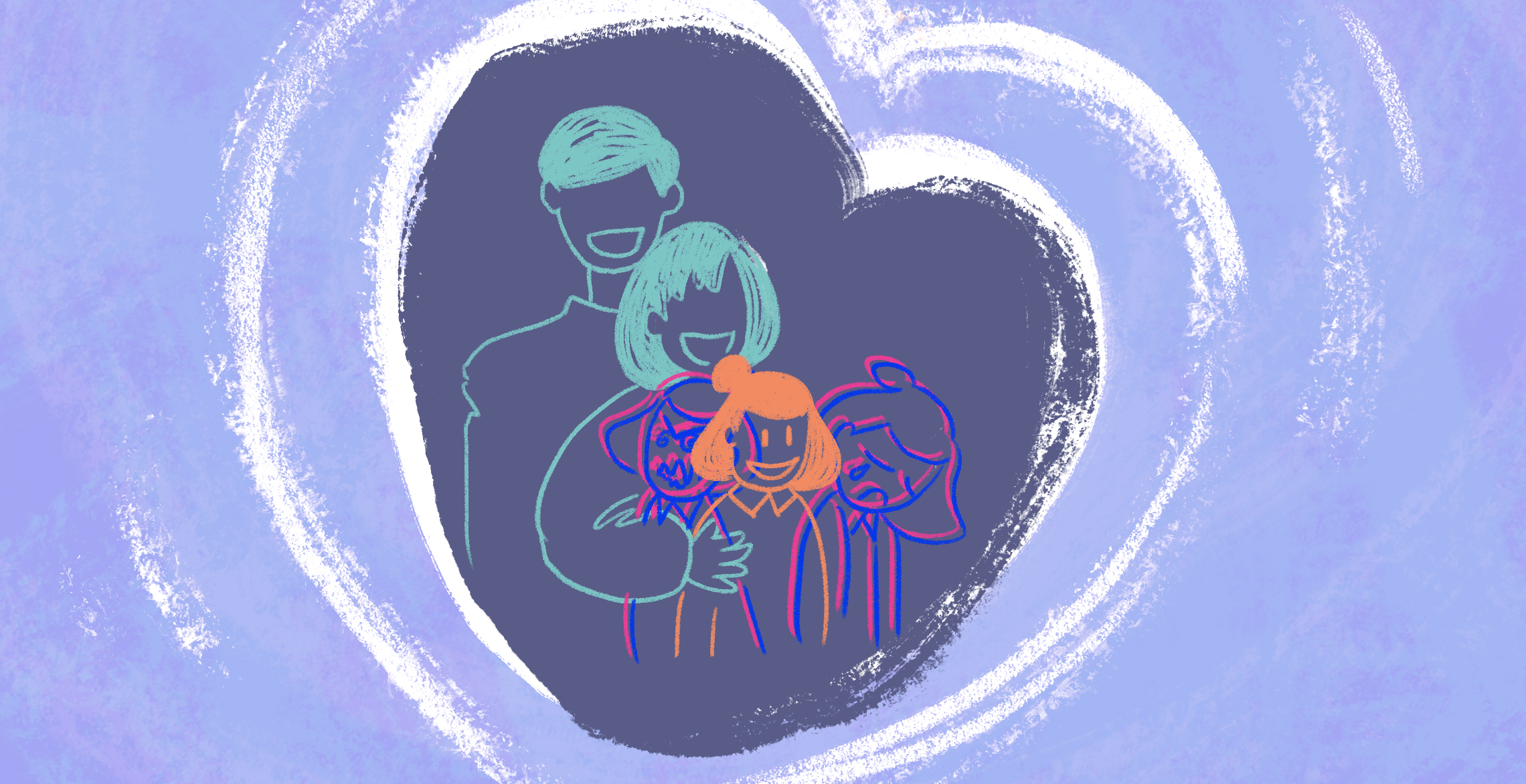
    I have been thinking about this for a long time. If he died, would I know? If I died, would he forgive me? Where would God place me as I walk the crowded fields of judgement day? Would I be seen as a filial daughter? Or the opposite; someone who has abandoned her parent? Where would Allah place someone like me; an adult child of divorced parents, forced to pick a side?

    My parents’ marriage could be chronicled in a Sam Smith’s record album. Love, anger, betrayal and disappointment marked their matrimony. My mother catered to my father’s every waking need. She would have his work clothes pressed, hung and ready to wear, squeeze a slick of toothpaste on his toothbrush before he takes his morning bath, and prepare his tea and breakfast in the best china every morning without fail. Before he came home, she would hurriedly slather lipstick onto her frail lips, transform her tired eyes to resemble Cleopatra’s and encase her body in shimmering droplets of scented attar. She was the ultimate Muslim Stepford wife, a woman of Jannah. She challenged him emotionally, intellectually and most probably physically. No woman can ever replace her, it seemed. No woman can ever top her. But for my father, there was. 

    The affair started soon after I was born. Secret phone calls, late night ‘meetings’; all of us were suspicious. But our suspicion was always kept locked in the inner recesses of our minds. We did not want to find the keys, ever. However, through the years, those keys kept appearing, as if pulled by the unbelievable magnetism of the lock. And one night, they found their way home and everything unravelled; my mother and I overheard my father telling the other woman how he loved her more than my mother. An indescribable pain crippled my body as I saw my mother slumped into a heap of anguish. That was the last straw, for her and for us, her daughters. She was going to get a divorce. 

    Evidently in the months that followed, our allegiance lied with our mother. My mum’s heart was fractured to pieces, bit by bit, over a period of more than 25 years. It was time for my sister and I to be her support system. How could we not? She had supported us throughout our lives. She had been our greatest cheerleader. She sacrificed for us, emotionally and financially, so that we could become strong, independent women, in her words, so that we would not suffer the same fate as her. Now, as women, we could not reconcile with what our father did to our mother.

    So, my sister and I removed all traces of our father from our lives – pictures, gifts, his phone number. We did not want to be associated with him in any way or form so we even dropped our ‘binte’ in any documents or correspondences we were a part of. He was the Voldemort of our family, the one who must not be named. His name had been tainted, saying it felt disgusting. If our memories of him could have been erased from our minds, we would have done it.

    However, as the initial storm that weathered our hearts died down, it began to be replaced with a surge of guilt and longing. Those feelings crept up and lingered like a tick sucking all sense of peace in the essence of my being. I missed my father. He was the one who sparked my passion in politics simply by making the evening news a nightly family routine and having Time and Newsweek magazines a coffee table staple. But it was because of this passion instilled in me that my heart flamed in anger for the injustices that he had committed towards my mother. How could I ever reconcile with that? 

    Then one Hari Raya morning, I received a text from him. My heart beat fast as I saw the familiar number and read the contents; it was awkward, honest and vulnerable. He said he loved me and missed me; words that had never been uttered when we were a whole family. He wanted to meet me and lay eyes on his grandchildren for the first time. And so, I relented. But another surge of guilt engulfed me. I felt like I was betraying my mother. She would be crushed if she ever found out that I met my father and therefore it had to be a clandestine affair. So, I set for my father and I to meet somewhere where there was no possibility of her bumping into us. I rejected his calls whenever I was in her presence only to reply hurriedly to him via text. I also quickly deleted our worded conversations on the phone lest my mum discovered it. My father had dragged me into what had broken his marriage, our family apart in the first place: an illicit relationship filled with secrets, lies and guilt. 

    Just as he got caught then, so was I now. My mother’s eyes were a sea of disappointment as she asked, sotto voce, as if she wanted me not to hear, not wanting it to be true, if I had met my father. I was not going to make this a sickening moment of Deja vu for her by lying and so I told her the truth; yes, I met him. A torrent of questions came, asking me for reassurance that I still loved her, that what she did was right, that I was on her side. As she searched my eyes for approval, I found a profound sense of betrayal in hers. I could not do it again. I could not hurt her. So, I stopped all contact with my father. 

    What is a daughter in my position supposed to do? It is rather ironic to think about it now; from when I was young the notion of piety has always been inculcated in me. From seeing my parents take care of my sick grandmother to being reminded how only ‘bad’ children sent their elderly parents to the homes I visited as part of my school community project, it was ingrained in me that it was the child’s duty to mind over her parents when they are old. A bad child abandons her parent.  Now, I have little to no contact with my father, I have abandoned him. But, isn’t it also a sin for me to hurt my mother? Paradise, as I was constantly reminded, is under her feet. To hurt her would be egregious. Besides, I do not want to crush her already fragile heart. But what about my father, then? How terrible am I that my children are oblivious to the existence of their grandfather? What if he got sick? What if he is in financial difficulties? Will the other woman still be there for him? I have not done my duty as a good daughter and I might not be able to get a chance to do so. Will I even know when he dies? Will he forgive me? Will God forgive me? How will Allah judge me in Akhirah, when being filial to one means neglecting the other?

    _

    Aila (pseudonym) spends most of her time exploring the outdoors with her active kids. Kahlil Gibran’s poem, ‘On Children’, acts as a guide on how she wants to be a mother. She also loves watching Hallmark movies in December.


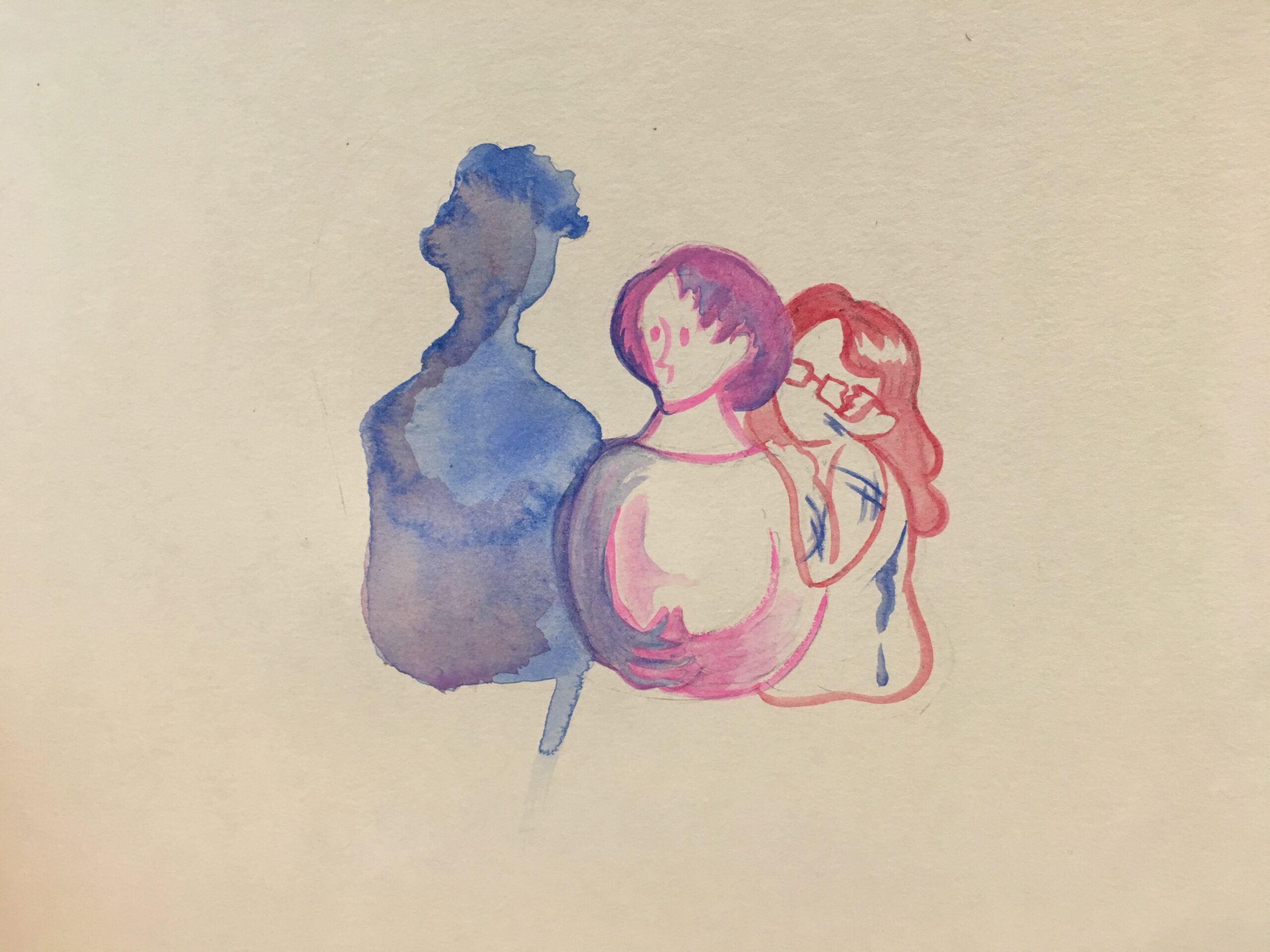
    illustration by Ishibashi Chiharu

  • Editor’s Letter: Filial Piety

    Editor’s Letter: Filial Piety

    by Diana Rahim

    Thinking about the topic of filial piety and all that it connotes, my mind had gone immediately to a poem by Kahlil Gibran called “On Children.” It was one of those unforgettable poems that struck an essential point of contention in parent-children relationships, the rawest nerve. The one that told parents that their children are not theirs to own and control; that their children are not really theirs at all. It was one of those poems that expressed this point tenderly, as good poetry often can: They are the sons and daughters of Life’s longing for itself. / They come through you but not from you, / And though they are with you yet they belong not to you.”

    Filial Piety is a familiar concept in Asian societies. We grew up acknowledging it as a value valourized in our communities, bearing noble connotations popularly conceived to be rooted in love and respect for one’s parents, and thankfulness for the difficulties and sacrifices that comes with parenthood. On the other hand, it also perpetuates itself through a rhetoric of guilt, prides an almost uncritical deference to one’s parents, and enforces a hierarchical order based on power relations — features that might not take too kindly in family dynamics that are less than ideal.

    The problem of filial piety is not so much that the idea of loving and respecting one’s parents is bad – of course this can be a good thing. And listening to your parents is especially a good idea as a young child for basic reasons of survival and safety. When your parent tells you not to touch the hot pan, or to cross the road when the red man is lit, it’s really not wise to be a rebel. But of course life will present you with far more complicated situations. Reality is not so simple, and when it comes to a concept that ipso facto defers to parents an almost reverential stature, where you are taught to respect them simply because of their status of being a parent, it doesn’t take too much thinking to realise that this is not something that can handle the complications that are natural to human relationships.

    The concept of filial piety is an idealization of the parental role. The idealization of anything is often already a trigger for trouble. For a start, idealization is a kind of reductionism. One that upholds itself through too simple an exaplanation or understanding of what the experience of parenting, and the expectations required of children should be.

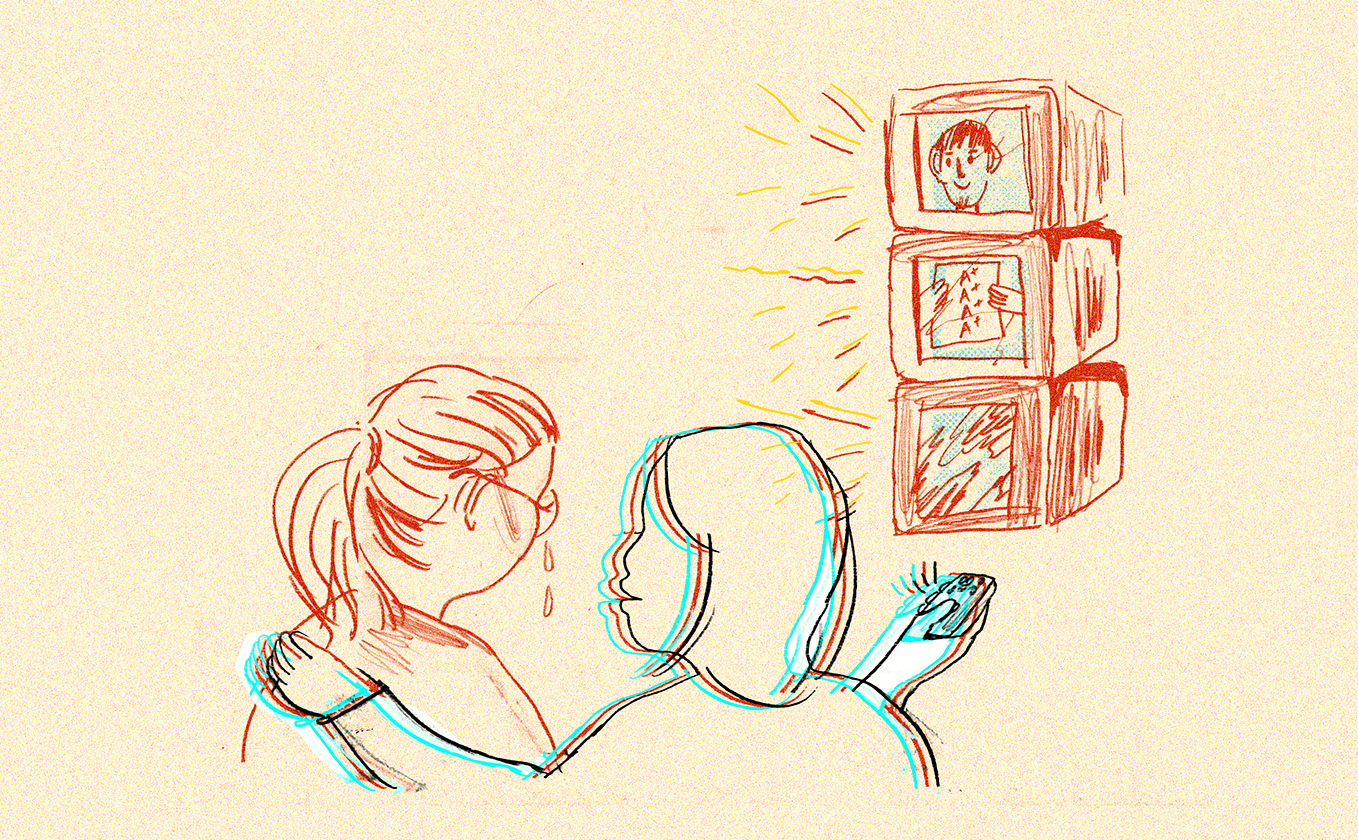
    When the parents you have are not the kind of parents that ought to be idealised; if they are abusive or unhealthily controlling; if they have brought you emotional and psychic pain, how do you then cope with the concurrent message drilled by the expectation of filial piety that you have to defer to their authority, and that they are people you ought to respect, and love? If they were any other person, these might not be people you would respect at all. The discussion on how the language of love can be used to enforce certain problematic ideas and ideals in my last letter may be of value here.

    The submissions that came in for our call-out are almost heartbreaking in the way the writers try to negotiate this crisis. So much must have been done in their minds to try to reconcile the pain caused by their fathers, along with the expectation to forgive such transgressions, and on top of that, even to continue to respect and love them.

    I would argue that the concept of filial piety, though it may appear to come from a place that valourises love between child and parent, is in fact a concept that inhibits a more true and loving relationship. It is entirely normal for parents to be human and blunder. They will most certainly hurt their children, as our own experiences with our parents have shown us. This doesn’t necessarily make them bad, but an inability to work on those wrongs, to continue to hurt their child because they are unable to see the hurt caused by their actions, and their lack of incentive to be introspective about their own behaviours because a concept of deference confers them a kind of power to always be in the right, will only result in a more strained relationship. Being a parent is not an inherently so honourable a job that it can confer you almost uncritical power over another human being.

    The control that a parent has over a child is not benign. And perhaps the concept of filial piety is so strong because it goes hand in hand with socialization. It is part of a function of ideology. What kind of ideology this is is perhaps a whole other argument. But for a start, filial piety communicates an “acceptable” and “ideal” kind of relationship between child and parent – it communicates what is considered a “good” family unit. And as we know, the notion of “family values” is not apolitical. The family is often the site where ideology is transferred through socialization since they are the first point of contact for the children as they grow up. The ideal family unit is often emphasised through a country’s legislation, its messages, and the way it distributes its resources. Are we comfortable with this kind of ideology that prioritizes one form of family? Are we willing to look into why a certain kind of parent-child relationship is valourised?

    Concurrently, the way the family is ordered can sometimes give us a clue into how the state is then ordered, after all, it is the state that has a hand in enforcing and encouraging the kind of family unit that it prefers. So is it any surprise then that our own state is often accused of being paternalistic, as treating their citizens like children?

    In your dreams, what would the ideal parent-child relationship look like? Perhaps for many of you, your relationship with your parents may have been ideal, even through difficulties. This question is perhaps not quite a question you can relate to. But even then, try to think of what kind of relationship would be one that fosters genuine connection and respect, that does not burden either parents or children with expectations that struggle to commensurate with reality, and that can equip people with the ability to do the difficult emotional work of growing with each other as individuals, instead of reaching for an outdated, conservative concept that would immediately confer one party with respect and authority.

    __

    illustration by Ishibashi Chiharu
  • Love Confessions of A Villain

    Love Confessions of A Villain

    by Ham

    –

    I’m not sure from whom I heard it. Or perhaps it’s an amalgamation of different sayings and lessons throughout my growing years. The idea was that if you’re a good and pious Muslim girl, God will provide for you, even reserve the best future for you. Specifically, if you remain chaste, feminine and a God-fearing young woman, you will undoubtedly get the man of your dreams who will also be equally chaste, God-fearing and righteous to lead you. Your marriage will be filled with lots of love and a couple of kids down the road. Your life will be the image of perfection. In a way, you will be safe – you will have done everything that you were intended to do. You were put here on Earth to love, propagate and lead a pious life of worshipping God.

    You’re not a problem.

    This is in stark contrast to the only other alternative, usually shown in television dramas. The scheming, vindictive and non-religious woman who sleeps around or cheats on her boyfriend will undoubtedly lose out in the end. She will usually get into an accident due to karma (unless she repents in time). She is instantly recognisable due to her hyperfeminized features: beautifully exposed hair, layers of makeup and fashionable clothes. She always wants things to be done her way and the man to be at her beck and call. However, no matter how much she threatens or has major meltdowns, the villain will never find true love because she doesn’t deserve a man, let alone a prince charming.

    She is a problem.

    Growing up, I did my best to stay in line. Besides doing well in school, I didn’t indulge in the vices of stereotypical “bad girls” like smoking or drinking. I was a bit of a tomboy but as long as I didn’t cross some imaginary, arbitrary line of what is deemed too masculine for a girl, I was still within the safe zone. Sure, I had a few crushes and a couple of casual relationships while growing up but they never amounted to anything serious. It wasn’t until I was almost at the brink of adulthood, did I enter my first serious relationship. I had known him for years as a friend so it seemed a safe enough option. Back then, it did seem like I had struck the lottery. A tall Muslim boy who was filial, generous and kind. He wasn’t overly religious but considering that I was just as inconsistent with my own daily prayers, I was in no position to judge.

    A deluge of information that came after our honeymoon period completely and irrevocably shattered me. The first big blow came during one of our long nightly talks. I learnt that he was not a virgin. Looking back now it seems utterly ridiculous, but that knowledge devastated me. What did he mean we won’t be each other’s first if we married? What did he mean his mum and other siblings weren’t practicing Muslims? What did that make him? What did he mean he was conceived outside marriage or held the dreaded status of ‘anak luar nikah’? What will that mean for our future? How could he have such sacrilegious desires for me?

    Cue the dramatic music. Someone had flicked the villain switch in me.

    Initially, it felt like the devil had pulled the wool over my eyes. My cotton candy fairytale dissolved in bitter tears. I transformed into one of those female villains in Malay dramas. I was demanding him to somehow change and bend him into doing things my way. I wanted him to change for me. The problem was, I wasn’t a villain. I was playing the role of the good girl. But I was outraged and in my mind, rightfully so. I had an excuse for my piss poor behaviour. After all, I had spent all my life staying true and being good. Where were my rewards? How dare he trick me into a relationship, knowing full well that he was no prince charming? How dare he try to taint my purity?!

    If I was an outsider looking in, I would be internally screaming for the guy to leave my judgmental and immature ass. Why deal with a crazy girlfriend who demands you attend religious lessons so you can ‘be a better Muslim’? Why stay with someone who was so hurtful when you were at your most vulnerable after confessing your inner most secrets? What a toxic, selfish person who clearly didn’t understand back then that there should be no compulsion in religion. Luckily for me, he didn’t leave me. Even on the most infuriating days, he stayed by my side with more patience than I could ask for or deserved. He allowed me to voice my concerns and criticisms and tried to explain the many other sides of our arguments. This is not to say that he was perfect. He had his many flaws because he was so very much human. We all are.

    Even as I write this, I still cringe and want to delete everything. But I won’t.

    I consider myself as an advocate for women. As a writer and occasional theatre practitioner, I want to make sure that marginalised female voices are heard. I want to keep writing about the misogynistic and patriarchal ways in which we continue to oppress girls and women. But I can also no longer ignore the fact that I was once on the other side of the fence. To keep writing about the victims in our society, we must also acknowledge that there are bullies and though this may be a bitter pill to swallow, if we grew up in such a society, chances are, we were once bullies too. We can be complicit in the oppression of others, even without realising it. It might have been unintentional but we might have hurt others in our effort to conform and uphold what we believed were the right values.

    There are so many types of relationships out there that are wonderful in their own ways. We really need to do away with this notion of a heteronormative fairytale relationship where we set nearly impossible patriarchal standards for both guys and girls to achieve. Why do we keep punishing ourselves? We must stop labelling, period. The moment we label ourselves as the ‘good guys’ in our narratives, we are also implicitly labelling others who are different from us as the deviants and villains. Why do we not promote mutual love, respect and understanding as the ideal instead? We also need to stop shaming and hurting those who do not conform. There is nothing wrong with anyone who isn’t a virgin, is gay or chooses to remain single. There is absolutely nothing wrong with couples without children just as there is nothing wrong with couples who have them. It’s fine if you didn’t marry young, really. Finally, it is not true that there is only one path in life or that all paths end up in a blissful marriage.

    It’s been years and the memories still haunt me on quiet nights. And there are many, many quiet nights. This is another thing that rarely gets talked about. We don’t really discuss the tempest of emotions left in the aftermath. Upon realizing how harmful it is to subscribe to problematic beliefs such as placing the value of a woman’s worth on her virginity, how do you deal with the anger, pain, disappointment and guilt directed at yourself? How do you heal from these self-inflicted wounds? I can spend the rest of my life fighting so other girls won’t have to go through this but I’m afraid I will always have, in the darkest recesses of my mind, voices whispering the old judgmental shit I was raised with. It will be take a constant conscious effort on my part to work against the old beliefs. Occasionally, I may fail, and that’s okay as long as I don’t give up.

    I hope that when you read this, you will keep an open mind and have the same patience and kindness afforded to me back then. I hope you will continue to face and overcome adversity and rigid, unhealthy traditions with lots of love. But let’s start by acknowledging the beginning.

    I was a problem.

    __

    With a BA (Upper Hons.) in English and a minor in Creative Writing from NTU, Ham spends her time coming up with stories in between gaming sessions. Her FYP focused on exploring the connection between the physical body and family relations through the lens of horror. 

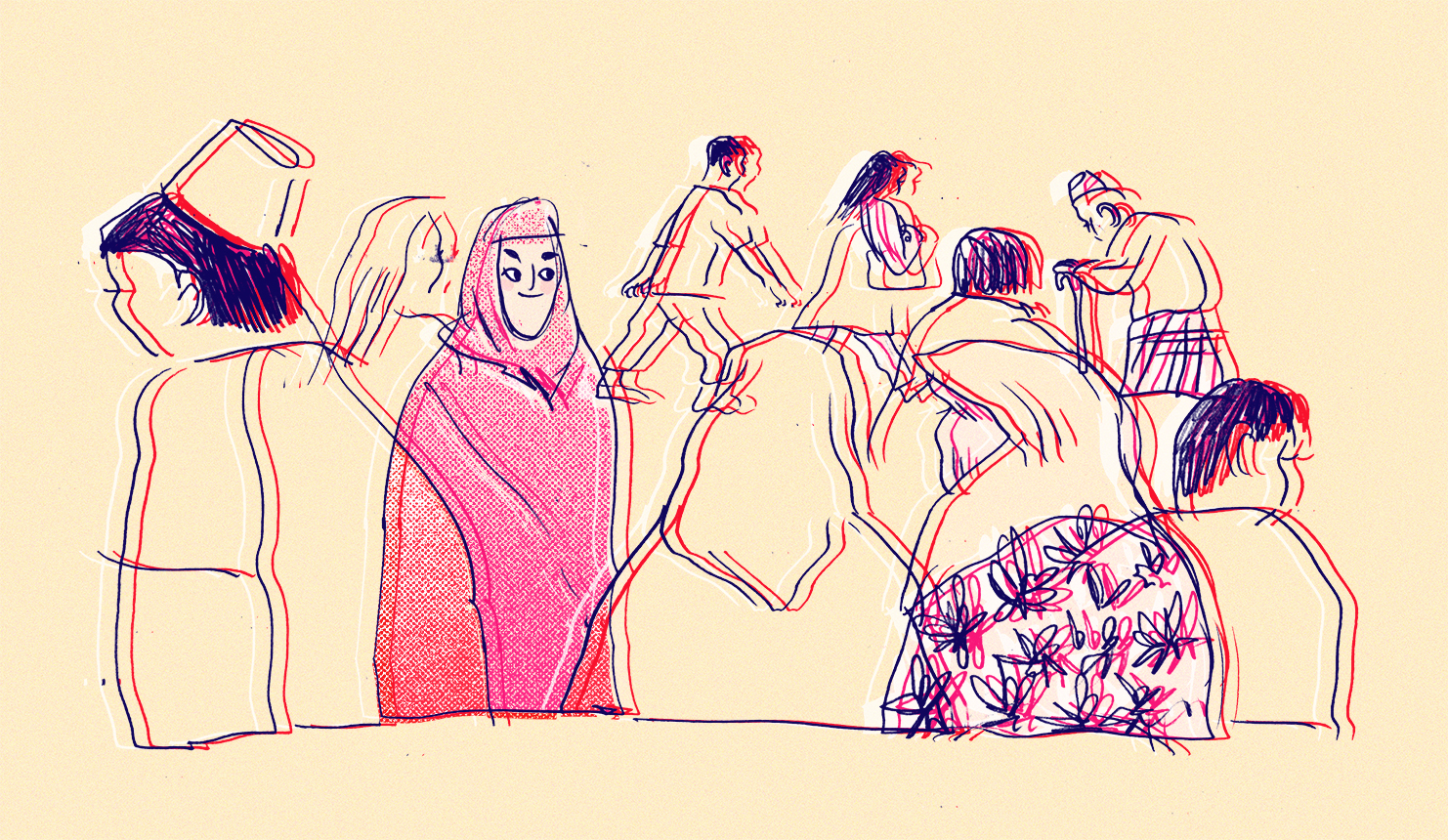
    Illustration by Wan Xiang Lee.

  • Our Traditional Non-Traditional Marriage

    Our Traditional Non-Traditional Marriage

    by N

    My husband S and I would like to pride ourselves on preserving tradition… somewhat. We always ensure our home is all decked out and ready for major festivals. During the Chinese New Year season, red adorns the outside of our home, with chun lian to bring in great luck for the year. During Hari Raya, we put up dazzling lights you can see from miles away. But in many ways, people would say we are odd and do not fit into the confines of what they think a marriage should look like.

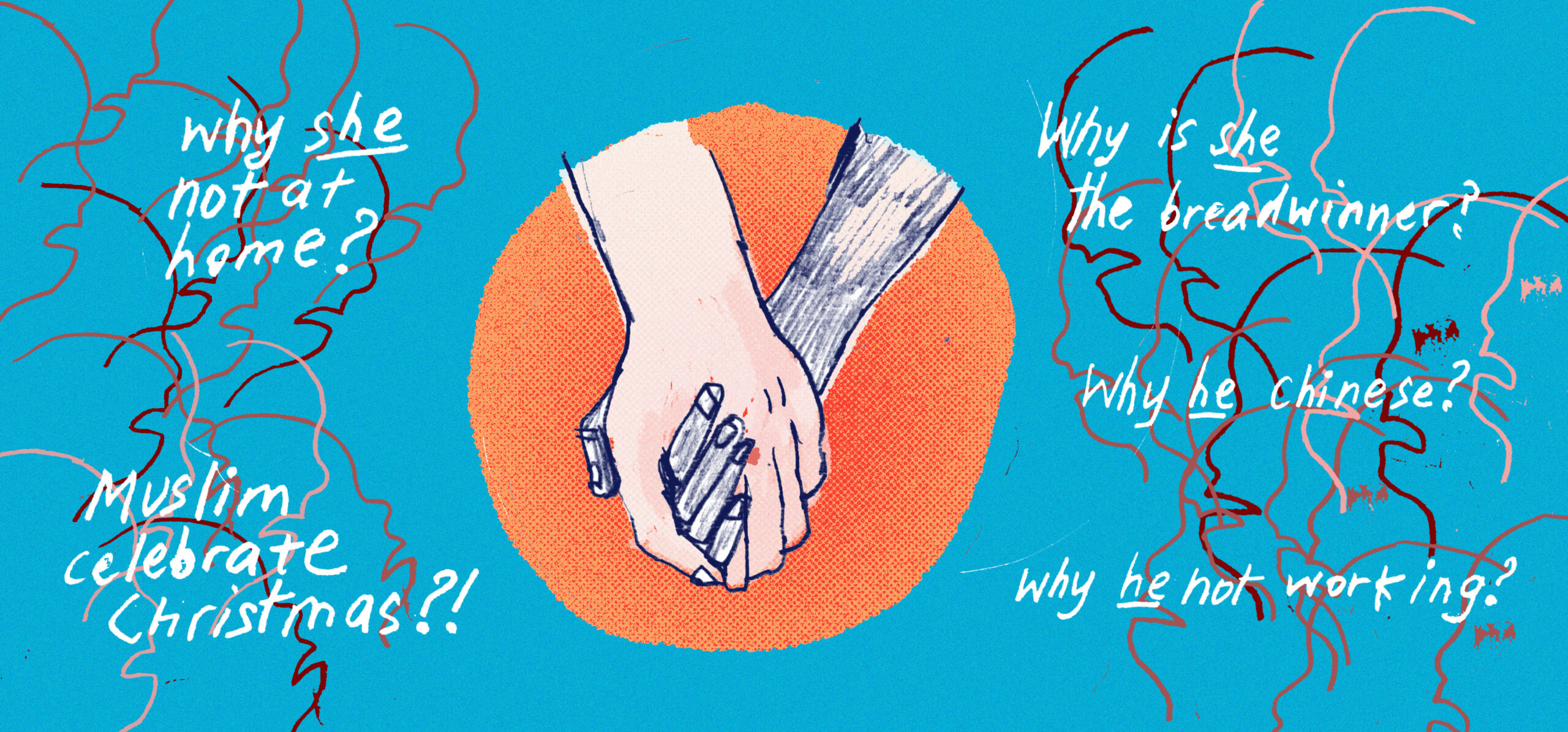
    For starters, S and I are a year apart. We got married really young. In fact, he was still in university. I have no issue supporting the costs of living such as the mortgage, bills and other expenses. S has also been great, working part-time to contribute to the household bills and does not mind not living up to his “manly responsibility” of being the main breadwinner of the family until he completes his education. We had discussed this prior to the solemnization and all was good between us. But we soon learnt that although this marriage is technically our bond, the whole society had somehow decided that they had a stake in it as well.

    Enter the pre-marital counselling session. Our counsellor seemed pretty nice at first until she found out about our little financial situation. She seemed genuinely horrified that I was going to handle the household finances. After a few moments, she composed herself and came up with a “solution” to our “problem”. I would simply take whatever S rakes in from part-time jobs and use that, and only that, to feed our little family of two. Of course we (okay, largely I) fought over this. Apparently it is simply unheard of for the wife to be doing the husband’s job of feeding the family! To allow that to happen is akin to him coming home and telling me I folded the clothes wrong and he should fold them instead! (I’m not kidding. Actual example used during the session).

    There have also been so many instances where people were genuinely shocked by how liberal we both are.

    “Your husband lets you go out with your guy friend?”

    “Does your husband know you’re out late?”
    “Yeah I texted to let him know”
    “But you need his permission!”

    No matter how un-traditional we may come across, we still do try to keep some traditions intact from both our families. For Hari Raya, we honour my family’s traditions by visiting relatives with my parents. S comes from a Christian family so we would get together with them on Chinese New Year and also for Christmas dinners to ensure we continue his family’s traditions. And this is where it gets complicated.

    We soon found out that the Malay/Muslim community as a whole held contradictory views on the celebration of festivals. It is encouraged, and even celebrated, when people of other ethnicities join in on our celebrations and take efforts to wear a baju kurung or greet others. But when a Chinese-Muslim and his wife decorate their house for Chinese New Year and have Christmas dinner with his parents, it is a cause of concern. From concerns about halal cutlery to ensuring we don’t get duped into going to church, there were a myriad of questions that had us giggling like 15-year-old girls. But still, we continue to embrace and honour the different traditions we’ve grown accustomed to.

    To us, a marriage is not just a union between two individuals but also a marriage of cultures and customs. It is very clear to both S and I that the moment he recited the shahadah, nothing changed except his status as a Muslim. We are also steadfast to the belief that marriage does not mean one person drops their background and identity to mould into the other’s family. For us, the moment our nikah was official was the moment we started building our family’s traditions and culture. Traditions that are uniquely ours. Our case might be a little bit different but as I tell all my friends; all marriages are comprised of two individuals from two very different households. No matter what, a marriage requires accepting the individuals wholly. There will always have to be discussions on what traditions, customs or norms should stay, leave, or be replaced. All families are, after all, just a unique blend of cultures and traditions that have been customised according to the couple’s preferences.

    So yes, we are the weird household that may confuse neighbours with the changing décor according to the change in festive seasons. We celebrate Hari Raya, Chinese New Year and Christmas with our families. We do not conform to the traditional idea of a Chinese or a Malay family but we would not have it any other way.

    __

    N likes to think of herself as a free spirit, in her very own limited way. After being married for 2 years, she tried her best to enjoy her own individual activities. This includes spending time with her cat and watching Netflix all day long.


    Illustration by Wan Xiang Lee.


  • Editor’s Letter: Love & Relationships

    Editor’s Letter: Love & Relationships

    by Diana Rahim

    How does one even begin to talk about love? It’s almost unthinkable. It’s like asking one to talk about a topic as fraught and as nebulous as “consciousness.” I am not sure I am exaggerating. I struggled for a while about how to introduce this topic, how to write this letter. But I realised that perhaps this nebulous way of thinking about love is part of the problem in the first place. It is almost instinct to think and speak of love as something essential, as a value, or as something innate in us waiting to be expressed. That’s why discourses on love can often lead to lofty essays or a philosophical exposition. They are obsessed in trying to explain love as essence; as some intangible force within us.

    However love is perhaps better understood not as something that is already there, but something that we have to create out of nothing. Love as created ex-nihilo. Love as a doing, a verb, not a noun (or at least not just a noun). The same goes, I suppose, with every other positive value such as being “good” or “understanding”. It is not enough to make a self-declaration, to say “but I’m a good person!” or “I’m understanding” and that perennial favourite even by KKK members, “I’m not racist.” These positive values are not proven by self-declarations but by concrete actions. Our being in the world necessitates relationships with others, so personal declarations are never enough. How we engage and affect other people bear strong judgement on our character.

    When we think of love then, let’s try to think of it through concrete actions. When I think of love, I think of my mother bathing me as a child during my high fevers. I think of someone drying my hair. I think of a support group that is a safe space for people who have been through trauma. I think of acts of communal love and service. I think of the act of apologising, the ability to go beyond the defensiveness of the ego. I think of the ability to listen to each other in the experience of hurt. In all of these instances, we feel supported, heard, and cared for. We feel ourselves valued as human beings. So when we think of love, we should perhaps think about the concrete actions we can take, and exhibit consistently in our commitment to being loving.

    It seems simple, but it never really is, because love isn’t cultivated in a vacuum.

    So when I think of love, I also think of the very real world within which love has to be cultivated and sustained. A world that sometimes gets in the way, prohibits or controls the kind of relationships that are valued and devalued. A world that decides what gets to be legitimised and recognised as love. A world that pushes a politics of desirability to decide who appears to be more lovable, or deserving of love, than others. Most of the submissions for our upcoming series deal with these challenges — the ways in which the scripts of community, society and even the script we are told to follow as individuals, can inhibit the true, more genuine expressions of love in favour of something that the prevailing order finds more acceptable.

    We receive different scripts sometimes about how love is supposed to look like, and they are almost always never innocent. Look hard enough and you can see the ideology that underpins the script, the ideology that seeks to be perpetuated through your very experience of love. Perhaps it is compulsory heteronormativity. Perhaps it is the belief that interracial coupling is not as “normal.” Perhaps it is even the insistence that a marriage is the goal of a coupling. It is important that we problematise received scripts not just because they inhibit our experience of love, but because it distorts the way we see and understand love.

    And then there is also the question of who, exactly, are promoting these scripts. Is it our families? Our ethnic communities? Our religious communities? The society at large? What justification do they have for deciding the rules that govern the kind of relationships we are allowed to have? Of course our family, our communities, would always say that they come from a place of love, and the prohibitions are set for our own good. So what happens if we were to disobey or cross over the limits they have placed? Often times, the individual can find themselves alienated from the community, not belonging or fitting in quite as well, or in the worse case scenario, even casted out and rejected completely. Sara Ahmed, in The Cultural Politics of Emotion had discussed how this “acting in the name of love can work to enforce a particular ideal onto others by requiring that they live up to an ideal to enter the community.”

    It is actually really sinister how love, this powerful force that is so deeply, personally felt, can be manipulated as a tool of control. After all, what can be more affecting, more powerful, than this fundamental thing that humans yearn for and cherish so deeply? What can be more psychologically threatening to a person than to tell them that love will be withheld unless they behaved properly?

    *

    It is scary how difficult it can be to detect when love becomes toxic. When we find it so difficult to let go of a relationship we are holding on to (and I do not mean just romantic relationships, but all manner of relationships), because we are convinced that it is good for us, that it is where love resides. It can be so hard to let go of love when we are told that this terrible thing is what love is supposed to look like. (I can’t help but think about how child abuse can often be dismissed as simply an ‘Asian’ way of discipline, or that it is in fact an act of love. This is believed despite there being no research to prove the usefulness of spanking as a disciplinary technique, but plenty to show how it breeds issues of self-esteem, bad behaviour, increases risk of mental illness, and promotes anger in both child and parent, amongst other negative effects.)

    Love is not always innocent, it can also be a tool of manipulation used to conceal pain and power under the guise of care. It is why abuse and manipulation can often be accompanied by the language of love with phrases like “I was doing this because I love you” or “I was only trying to help and support you.” In each of these cases you are posited as the person that stands in your own way to being loved.

    Of course hidden behind this veiled, complicated play of power is the fact that the terms of the relationship, or what is constituted as love, is being disproportionately decided by one party. Power feels entitled to demand that you act in a certain way. It can reject any other form of love other than its own. You would think: if I behaved right, in the way they wanted, then I would receive love, then this relationship could be fulfilling.

    The way love can be used as a weapon, or the way the language of love is utilised, often ends up re-directing blame to the very people that are suffering. Not only that, it can even posit the ones who are abusive or hateful as the ones who are ‘loving.’

    Sara Ahmed had noted that hate groups often branded themselves as groups premised on love. White supremacy groups did not see themselves as hate groups, but groups that were guided by their love for the White race and the Aryan nation. They would even quote a biblical verse “Love thy neighbour of thy people,” following it up by saying “My people are white.” Think also of the rhetoric that vilify vulnerable communities such as migrant workers or refugees. Someone might justify their hateful views against them by saying that migrant workers or refugees can threaten the safety of our women, our children, and of course, that great big love of all loves in this age of nationalism, the nation.

    Through a discourse of love, even hate can be twisted into love. This is why love, its language and the dynamic of relationships, always have to be understood critically.

    So in your relationships, in the practice of your love, perhaps it would be a great help to be self-reflective and critical. Are you free? Are you given the option to be free? Do you give that option to the other party? Is anyone less able to set the terms of the relationship? Is the relationship genuinely giving you feelings of love, of being cared for? Or is it instead insisting that you are loved, while your actual feelings border more on anxiety, a lack of self-esteem, and a sense of rejection of your self?

    In a healthy relationship, power cannot be exercised at the disadvantage of anyone. You have to be an equal participant. This means that true love is not present without justice. There has to be freedom in the exercise of love. It is not something that should be coerced, demanded, or guilted out of you. This is true not just in our romantic or personal relationships, but also the relationships to the things that are important to us such as our families, our communities and our faith. That famous line in surah Al-baqara “there is no compulsion in religion,” is popular precisely because deep inside we know that love and relationships cannot be forced or imposed, at least not if it’s going to be genuine. Love can keep you in line, but it should not hold you back. It can give you constructive critique, but it should not tear you down or invalidate your very existence.

    Knowing this, the question we can ask moving forward is how do we ensure that there is a healthy expression of love in our personal and social lives? How do we make sure that the relationships fostered in our communities are not ones that are coercive, unreasonably demanding or even abusive? How can we learn to recognise when what presents itself as love is actually harmful and toxic? How do we develop the ability to leave toxic relationships? How do we create alternative systems of support and care for those who have been casted out? Essentially, at the heart of all these questions, is the question — how can we learn to love each other better?

    __

    illustration by Wan Xiang Lee

  • Dari lensa minoriti Syiah di Singapura

    Dari lensa minoriti Syiah di Singapura

    Topik perbezaan sekte atau sektarianisme bukanlah sebuah topik yang baru saya ketahui. Saya dilahirkan dalam keluarga yang mengikuti tradisi Melayu dan juga agama Islam bermazhab Syiah di Singapura. Sebelum perkahwinan mereka, ibu bapa saya mengikut ajaran Sunni tetapi apabila mereka lebih dewasa, mereka beralih memeluk Mazhab Jaafari, iaitu mazhab dominan dalam fahaman Syiah. Walaupun kami bermazhab Syiah, ibu bapa saya telah menghantar saya ke sebuah madrasah yang beraliran Sunni untuk menerima pendidikan agama, selain daripada kelas-kelas mingguan yang berfahaman Syiah.

    Dari sudut pandangan seorang anak kecil, perbezaan sektarian itu hanya terhad kepada sekatan pemakanan, seperti mengelak daripada memakan kerang, sotong dan ketam. Saya mempunyai seorang teman rapat yang bermazhab Sunni yang akan mempertahankan saya apabila saya dipersoal tentang mengapa saya tidak makan semua itu. Pada usia 10 tahun, saya pernah berkongsi dengan seorang rakan sekolah yang berbangsa Cina bahawa terdapat dua aliran dominan dalam Islam. Tetapi, seorang rakan Muslim telah merespon dengan mengatakan bahawa itu salah dan sektarianisme dalam Islam itu sememangnya tidak wujud. Ini merupakan titik permulaan kesedaran saya bahawa pemahaman tentang perbezaan aliran atau mazhab di kalangan umat Islam di Singapura itu sangat dangkal. Saya juga mula peka terhadap ketegangan antara mazhab menerusi prejudis yang dialami oleh teman-teman Syiah saya apabila mereka bersembahyang di masjid. Secara ringkas, identiti saya sebagai seorang minoriti dalam masyarakat Islam tempatan telah memberikan saya kelebihan dalam menyedari lebih awal tentang isu perbezaan mazhab ini.

    Semasa menuntut di maktab rendah, isu perbezaan mazhab sering muncul apabila kami berbincang hal-ehwal politik yang pada masa itu. Guru Kertas Am ( General Paper ) saya pernah mengajukan soalan ini – “Berapa banyakkah aliran yang ada dalam Islam?” Saya amat berbangga untuk menjawab soalan ini walaupun identiti saya sebagai seorang Syiah pada masa itu masih tersembunyi dari pengetahuan orang lain. Saya juga mula berhadapan dengan beberapa stereotaip dominan yang berkaitan dengan mazhab Syiah – iaitu mereka sesat dan sudah terkeluar dari Islam. Apa yang menarik bagi saya ialah walaupun saya berasa sedih apabila berhadapan dengan stereotaip-stereotaip itu, ia bukan perkara yang mengejutkan. Bahkan ada juga sesetengah pengikut Syiah yang menerima dan mengakui sentimen-sentimen negatif sedemikian, seolah-olah cemuhan dan kata-kata hina itu sebahagian daripada kepercayaan Syiah.

    Semakin usia saya meningkat, stereotaip-stereotaip tersebut menjadi lebih ketara. Seorang penceramah Syiah terkenal yang bernama Hajj Hassanain Rajabali telah dijemput untuk menyampaikan ceramah di NUS. Bagi saya, ceramah yang diberikan itu berkenaan topik yang universal dan tidak terkait dengan mana-mana mazhab pun dalam Islam. Walau bagaimanapun, ternyatalah ada rasa cemas dan sangsi di kalangan mahasiswa tentang ceramah itu. Saya juga diberikan amaran daripada seorang mahasiswa yang tidak mengetahui akan identiti Syiah saya supaya jangan menghadiri ceramah itu kerana saya mungkin boleh terpengaruh secara negatif daripada penceramahnya. Sewaktu saya bergaul dengan mahasiswa-mahasiswa Muslim di universiti, pengalaman saya dalam berasimilasi dengan mereka membuat saya berasa cemas. Mungkin saya tidak banyak mengasimilasi semasa zaman remaja saya, tetapi di universiti saya sering mengikuti solat berjemaah, majlis iftar dan ceramah-ceramah yang dianjurkan oleh Persatuan Mahasiswa Islam NUS. Melalui program-program ini, saya menjadi lebih sedar tentang identiti saya sebagai seorang minoriti Syiah. Ketika saya bersembahyang dengan meletakkan tangan di bawah, atau ketika saya membuat alasan untuk berbuka puasa lebih lambat sedikit selepas azan, saya sering tertanya-tanya dengan rasa bimbang sekiranya saya kelihatan ganjil di kalangan teman-teman Sunni.

    Walaupun ia merupakan sebuah kebimbangan pada awalnya, lama-kelamaan, kewujudan bersama dan asimilasi menjadi mudah bagi saya. Maklumlah, tiada apa tentang diri saya yang mencerminkan dengan jelas identiti Syiah saya itu. Bukannya saya memakai chador/cadar seperti wanita Iran dan saya pun tidak membawa batu turbah itu ke mana-mana. Saya adalah seorang wanita Melayu Islam di Singapura pada dasarnya, yang lebih kurang menyerupai dan berpakaian seperti yang lain. Saya pasti bahawa saya telah berasimilasi dengan baik sehinggakan saya sendiri mendapati diri saya menerima penghinaan terhadap umat Syiah, seolah-olah kebanyakan umat Islam di Singapura itu mengikut mazhab Sunni. Tanggapan sama-rata sedemikian membuat saya merasa seperti orang s py dari umat Syiah.

    Ketika berusia 23 tahun, setelah saya mengalami sebuah krisis eksistensi (existential crisis) , saya membuat keputusan untuk berkongsi dengan beberapa orang teman rapat saya tentang kepercayaan Syiah saya. Sewaktu membuat perkongsian ini, saya ditanyakan kembali tentang mazhab apa yang mereka ikuti. Mereka, yang biasanya mengikut mazhab Sunni Syafii, sendiri tidak tahu akan fahaman masing-masing. Ini membuktikan pandangan saya bahawa umat Islam di sini memandang Islam sebagai sebuah agama yang monolitik, atau dipukul sama-rata sahaja. Keputusan untuk memberitahu mereka itu sangat membebaskan dan merupakan titik perubahan yang paling penting dalam kehidupan saya. Keimanan, identiti dan kerohanian merupakan aspek-aspek yang paling penting dan asas bagi diri saya. Saya memutuskan bahawa selagi saya menyembunyikan tentang kepercayaan saya, selagi itulah saya akan menghakis jati diri saya.

    Justeru, saya memulakan perjalanan untuk mengenali balik diri saya, agama dan identiti saya. Saya mempunyai banyak persoalan mengenai keimanan saya, pertamanya sebagai seorang Muslim dan kemudiannya sebagai seorang Syiah. Fikiran saya berkecamuk dengan persoalan-persoalan tentang peristiwa-peristiwa dalam sejarah Islam sebelum dan sesudah kewafatan Rasulullah, ke personaliti sejarah terutamanya keluarga Rasulullah dan para sahabatnya, serta persoalan pemisahan agama dari politik dan budaya. Saya mencari dan membaca buku-buku tentang perbezaan antara mazhab Syiah dan Sunni, dan menyelidiki tentang isu-isu yang kontroversial. Saya mengajukan pelbagai soalan kepada ibu bapa saya dan orang-orang yang arif dalam agama. Saya membaca lagi tentang tragedi Karbala dan peristiwa Ghadeer Khum dan cuba memahami makna di sebalik amalan-amalan yang dilakukan dalam tradisi Syiah. Ini mungkin sebuah pengalaman yang mengelirukan, tetapi melalui pemeriksaan semula tradisi saya sendiri dan perbandingannya dengan tradisi Sunni, saya diberikan perspektif yang lebih luas yang memantapkan kepercayaan saya sebagai seorang Syiah. Walaupun pada mulanya ia kelihatan seperti kekeliruan, proses ini akhirnya membuat saya mencintai kepelbagaian yang ada dalam agama Islam.

    Sejak itu, walaupun ia mungkin agak sukar dan mengelirukan, saya benar-benar percaya dan memahami bahawa adanya kebaikan dalam menjadi seorang minoriti. Tentu sekali ada banyak pengalaman sebagai minoriti yang tidak semestinya positif – peminggiran, diskriminasi, prejudis dan kurang didengari dan difahami oleh orang lain. Walau bagaimanapun, status sebagai minoriti itu seharusnya mendorong seseorang untuk terus menimba ilmu dan mendalamkan pemahaman, terutamanya apabila seseorang minoriti itu sering tidak difahami dan terpaksa berdepan dengan pelbagai pertanyaan, khabar angin, tuduhan dan label-label yang negatif. Ini akan menjadi sebuah kekuatan bagi seseorang minoriti itu sekiranya dia berdepan dengan perbezaan dan kepelbagaian secara konstruktif, malah mampu melawan prejudis-prejudis tersebut.

    Dengan menjadi telus dan terbuka tentang kepercayaan Syiah saya, saya juga telah berpeluang untuk menjalinkan persahabatan baru dan mengenali individu-individu yang ingin mengetahui lebih banyak tentang mazhab Syiah dan kepelbagaian dalam Islam. Melalui perkongsian dan penglibatan saya, saya juga membantu untuk meningkatkan kesedaran kepada mereka yang tidak menyedari tentang sektarianisme dalam Islam. Saya menyedari bahawa sekiranya saya kurang berkecimpung dalam masyarakat, ini merupakan ketidakadilan terhadap semangat kepelbagaian yang selama ini wujud dalam tradisi agama Islam. Penyebaran stereotaip boleh disebabkan daripada kedua-dua pihak – daripada mereka yang menyebarkannya, dan juga mereka yang tidak mencabarnya atau memperbetulkannya apabila perlu. Sikap eksklusif dan keterasingan dalam komuniti juga merupakan faktor-faktor utama terjadinya fenomena tersebut, oleh kerana idea-idea akan kekal statik dan tidak berubah. Ini malah menghambat kemajuan dan membuat keretakan yang sudah wujud dalam masyarakat menjadi lebih ketara.

    Pengalaman saya berdialog dengan orang-orang yang berbeza fahaman mengajar saya bahawa kita boleh bertindak secara positif dalam isu kepelbagaian. Ia merupakan sebuah kekuatan apabila kita mencari tali perhubungan yang mengeratkan kita untuk membina sebuah masyarakat yang inklusif. Perjalanan hidup memberikan saya banyak pengalaman manis apabila menyaksikan keikhlasan teman-teman dari berbagai latar belakang saling mempelajari antara satu sama lain. Pemahaman yang mendalam hanya dapat dicapai dengan adanya sikap hormat-menghormati dan terbuka.

    Di samping perbezaan kita yang menentukan keunikan diri kita, saya berharap kita tidak akan lupa bahawa kita semua adalah manusia yang mempunyai berbagai aspirasi dan cita-cita, dan menginginkan perkara yang sama – kebebasan dalam kewujudan kita. Salah sebuah nukilan kegemaran saya yang disebutkan oleh Imam Ali (a.s.) benar-benar mencerminkan ini dengan indah – “Manusia merangkumi dua jenis. Mereka sama ada saudara-saudara anda dalam keimanan, atau saudara-saudara anda dalam kemanusiaan.” Pesanan ini telah membimbing saya selama ini bahawa tanpa mengira sesiapa yang saya temui, mereka sama juga seperti saya. Saya berharap untuk menyebarkan mesej ini, terutama sekali dalam keadaan masyarakat dan politik hari ini yang didorong oleh pemikiran absolutis dan ekstremis. Terdapat spektrum yang berwarna-warni dalam agama Islam dan kita harus bergerak seiring dengan kepelbagaian, meyakininya dan justeru meraih manfaat daripadanya.

    __

    Seorang profesional dalam perkhidmatan sosial, Sukayna A. menganggap dirinya sebagai seorang penimba ilmu tentang kehidupan. Dia minat membaca tentang hal-hal berkenaan dengan agama dan masyarakat, kerohanian, isu-isu sosial dan psikologi. Dia berharap untuk memupuk semangat keterbukaan terhadap kepelbagaian dalam masyarakat, terutama terhadap golongan minoriti dan terpinggir.

    Ilustrasi oleh Wan Xiang Lee.

  • Unpacking the Last Malay Woman

    Unpacking the Last Malay Woman

    By Nurul Fadiah Johari

    It is pretty common to hear the term “perempuan Melayu terakhir” in popular usage and every day parlance. One who is modern yet rooted to Malay traditions, one who is open-minded yet behaves demurely and dresses modestly, and so on. There is a film by that same title, which describes the female protagonist as a Malay woman who chose to engage in traditional Malay arts in rural Terengganu, despite her urban upbringing. The local Malay daily, Berita Harian, published an article in 2013 entitled “Enam Cara Jadi Perempuan Melayu Terakhir” (6 Ways to be the Last Malay Woman), giving tips to Malay women on how to achieve that ideal. We see images of a poised woman who smiles coyly – not laughing heartily, but just a slight smile to indicate her pleasure. She does not express too much of a personality, but enough to let people know that she is pleasant and unthreatening. She is composed and devoid of negativity, for she is an ideal – transcending the binaries of east and west, modern and traditional, religious and secular.

    The term “akhir” which means “last” or “final” seems to suggest a nostalgic yearning for a past lost, where women were somehow simpler and more pleasant. Women today lack the gentle and mild-mannered courtesy that women of the past used to have, some would say. It is a quest for authenticity, the quest to find the remaining Malay woman who is true to her Malay roots and unfazed by the demands of modernity, Westernization and all other elements foreign to the Malay culture. She is the last one, amidst all others, to stay rooted and not compromising on her authentic Malay femininity. As such, she stands out as being able to achieve “the best of both worlds”.

    This idea, to me, not only seems like a fantasy, but is also inherently ideological and problematic. Yet, it is rare to find people challenging this notion. This idea fundamentally reflects societal expectations of women and the privileging of certain aspects of femininity that are seen as authentically Malay. It is based on a selection of romanticized images of demureness, as well as the emphasis on purity and modesty — sexually, emotionally and materially. The ideal Malay woman is not only chaste, but also holds back when it comes to asserting her full personality and expressing her deeper and sometimes, darker desires. She is thus made into an image, or a representation of certain concerns and anxieties in society. The bigger questions that we thus need to ask are: who projects these ideals or images and for what reasons?

    Monolithic ideals of femininity: “The last Malay woman”

    Any idea in society becomes monolithic when it goes unchallenged and supported by the status quo. Monolithic notions of femininity in the Malay society reflect the deeply embedded patriarchal order which casts judgment and imposes certain standards upon women. Our ideal notions of femininity are thus not neutral, since they privilege traits of submissiveness and docility in women, which protect the patriarchal values and structures in society. The last Malay woman, as an idea, perpetuates the very same notion that a woman is not complex, and does not have her own historical and political agency. She does not assert her own values and aspirations, but is subjected to the aspirations of others, especially those who have the power to shape her according to their wishes. She is made into a simplistic representation of how a good Malay woman should be, based on clear-cut binaries, and is thus lacking in her full agency as a person. She does not speak for herself in these images, and sometimes internalizes and perpetuates this fantasy.

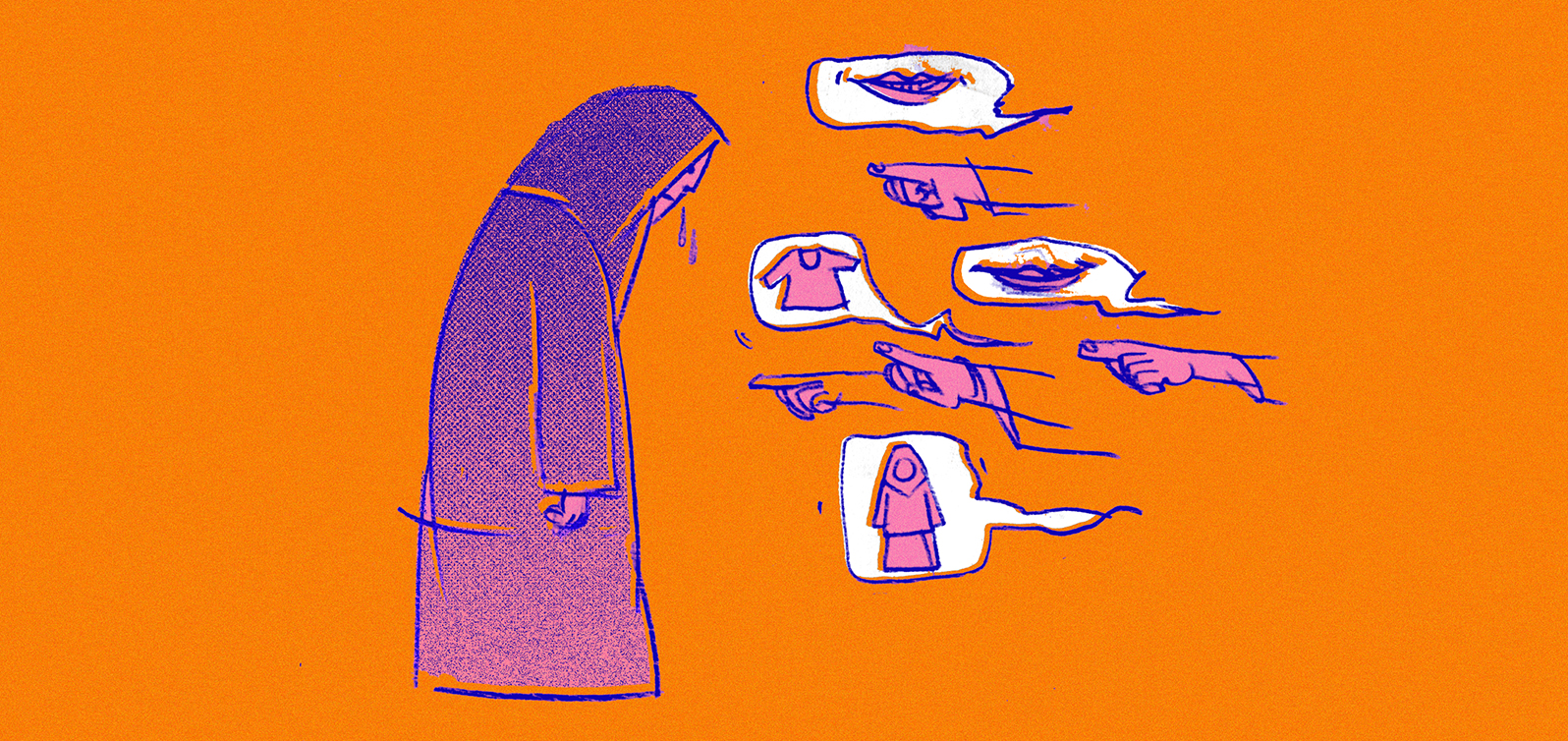
    The fetishization of submissive and docile traits in a woman, above all else, is a tool of power and disciplining of women. A woman is judged for laughing too loudly in public, for that is unbecoming of a good woman. She is shamed for dressing in a way that does not conform to certain dress codes, and it is often women who bear the brunt of bodily and sexual shaming. In other words, she has to hold back. She has to tamper her public presence with reservation, often reduced to physical modesty. She cannot assert her bodily and sexual agency, for that would upset and threaten the patriarchal order. She is only allowed to be sexual within the legalistic confines of a marriage, and perform exceedingly well at that, because her sexuality is ultimately tied to the approval of her husband.

    The last Malay woman as the embodiment of social anxieties over rapid social change

    In the projection of the last Malay woman, the Malay woman is made into a bastion of culture and morality. The essentialist and unchanging notions of the Malay woman, while encapsulating the best of both worlds, straddling comfortably between the dichotomies of east and west, modern and traditional, rural and urban – are very much tied to essentialized notions of what it means to be Malay. The notion of Malayness and authenticity is thus put into question. At the same time, we do not have the same idea of “the last Malay man” being trumpeted constantly in popular culture and everyday parlance. The man is able to change with the times, being modern and economically contributing. The woman, on the other hand, while also modern and economically contributing, is at the same time still “traditional” and somehow unchanging. As such, the last Malay woman should be able to reap the benefits of modernity, but without its excesses, and in a way that is unthreatening to the existing patriarchal order.

    The gentle and smiling face of the last Malay woman becomes a source of familiarity amidst the anxieties of rapid social change. Because she remains steadfast to “authentic” Malay values and is unchanging, she becomes a balm to the pain and collective shame from colonialism. The desire for authenticity is a post-colonial reaction, especially by middle-class Malays who have been disconnected from rural communities, and experienced upward social mobility and rapid modernization. The Malay woman thus becomes a bastion from such anxieties. The binary that the projection of the last Malay woman seeks to overcome is based on ideas perpetuated by the colonizers about how the colonized Other is unchanging, simple and traditional. So the modern Malay, while having adopted Western institutions and cultural forms, still remains authentic by being inwardly traditional and conservative. Such ideas still go unchallenged and are often retained and perpetuated by the political and cultural elites, most of whom are male.

    Neither first nor last: The many facets of a Malay woman

    We have to thus go back to the question of who imposes certain ideals in society and for what purposes. What sort of ideals are we casting upon Malay women? What constitutes as traditions, and what constitutes as an ideal? As argued earlier, the idea of the last Malay woman is a kind of ideal that does not threaten or disrupt the social order – where a woman is constantly smiling and does not express her discontentment. She works hard, but for her family. She beautifies herself, but also modestly. It is always a matter of tampering her presence by making her hold back her full personhood.

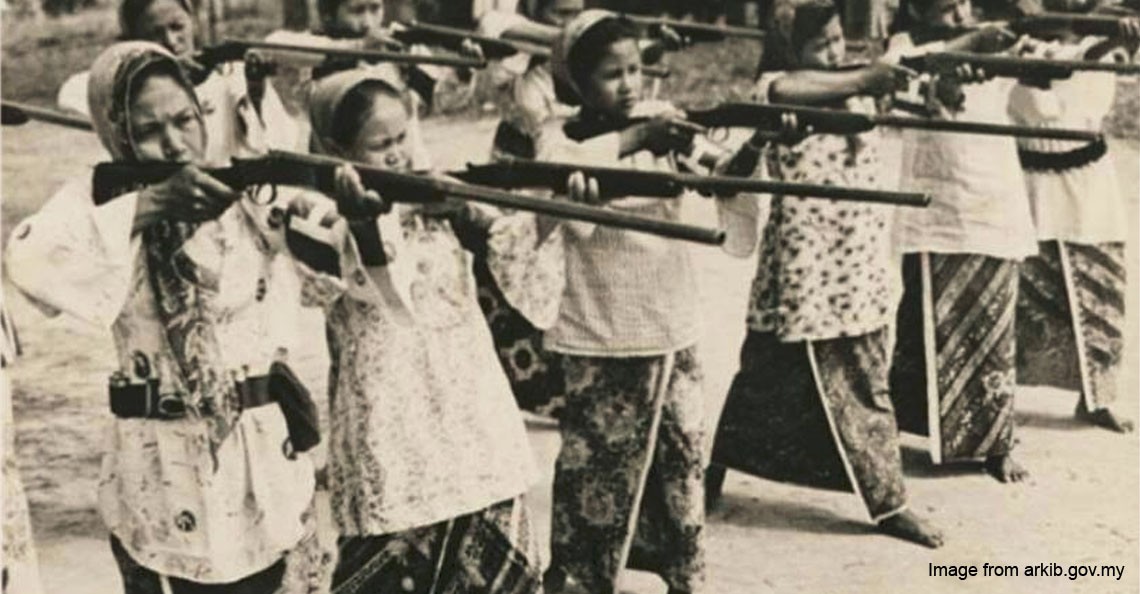
    But what about women who do not fit into the mould? What about those who asserted themselves publicly? What about those who struggled for the dignity of their community and nation? Who gets selected to fit this ideal? What about women like Shamsiah Fakeh and others who took arms to fight for independence of the nation and women’s emancipation? Would these women fall into the image of the last Malay woman? Some of them even trained to use rifles while wearing baju kurung. If we look at Malay literature, we also see diversity in the portrayals of various types of female protagonists. Faridah Hanom, in Hikayat Faridah Hanom for instance, is a modern woman who asserts her desires for independence to choose her own partner and calling in life.

    And why last? Why not first? Why not become the harbingers of a new era or mode of being? Malay women are also active agents in carving out our histories, and are not passive beings, unlike what some would like to believe. We have been engaging, participating and resisting against various forms of cultural, patriarchal and imperialist impositions. Such histories and narratives thus need to be made to the fore. And perhaps, what we seek is not to be the first or the last, but to transcend such a simplistic and monolithic understanding of how we ought to be.

    __

    Illustration by Wan Xiang Lee

    Nurul Fadiah is currently a research assistant with the Social Service Research Centre in NUS. She recently graduated with an MA degree in Malay Studies. She also volunteers actively under AWARE’s Gender Equality is our Culture (GEC) programme, which aims to promote gender-equitable interpretations of religion and culture within the local Muslim community. She started a support group for women who grew up in Muslim households called Penawar, which addresses problems of trauma based on religion, through problems such as patriarchal religious interpretation, religious coercion and body shaming/moral policing, sexuality issues and mental illness.


  • A Woman’s Guide to Happiness

    A Woman’s Guide to Happiness

    by Mariam Ahmad

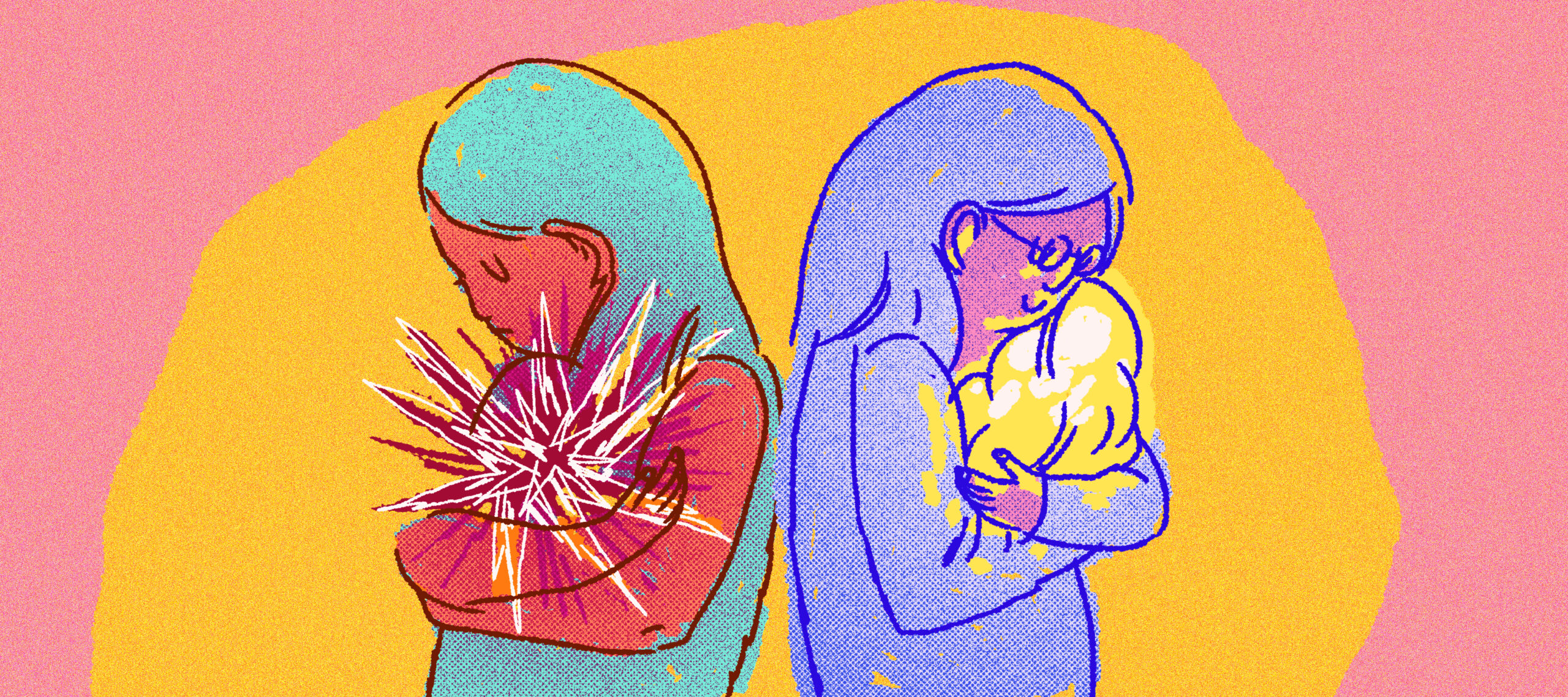
    Growing up, I was told that there are few things worse than being a spinster. In hindsight, what this statement really means is that my happiness is dependent on a man, and my worth lies in my ability to please him.

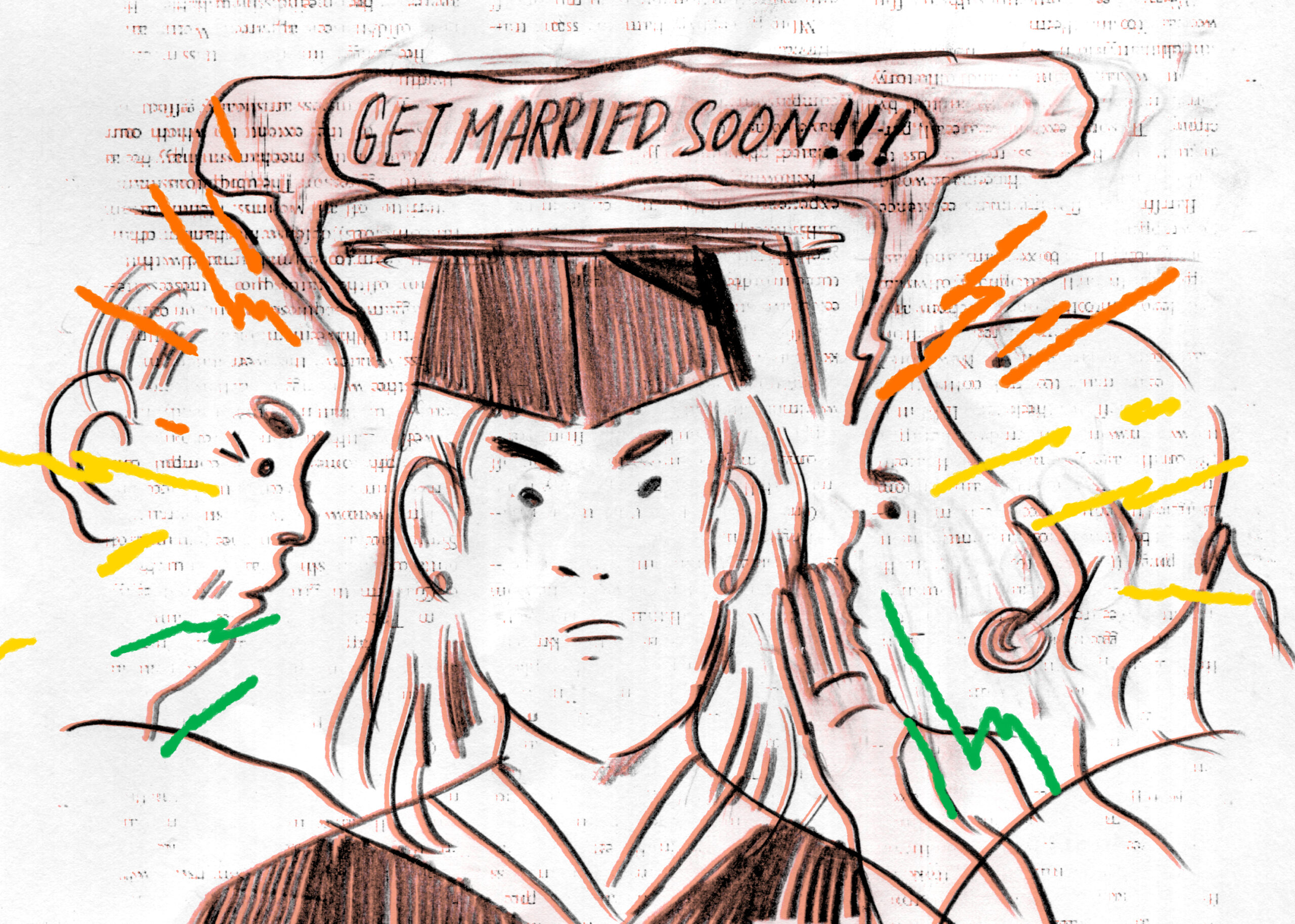
    Throughout the years, this damaging and grossly incorrect belief has permeated multiple aspects of my life, including areas that are not usually associated with love and marriage. Instead of finding out how my internships were going and what I was learning on the job, I would be greeted with questions on men in the office, and more importantly, whether they were single.  When I was accepted into the university of my dreams, a family friend pulled my mother aside and whispered to her, with grave concern, how no one would want to marry me. I think she believed that my degree would intimidate the entire species of men.

    Aside from being emotionally exhausting, the notion that women can only truly be happy when married eclipses our achievements, triumphs, agency, and independence. It erases our personal definitions of joy and success, and it reduces our full and complete selves into an existence in relation to men.

    If indeed, the measure of a woman’s happiness is her romantic relationship, there is nothing more dreadful or miserable than being alone. As I went on to graduate school, the women in my family reminded me that I should consider getting married after obtaining my Master’s Degree. After all, they would say, you wouldn’t want to be left on the shelf.

    The narrative surrounding unmarried women, on this metaphorical spinster shelf, is fraught with disdain and anti-feminist sentiments. Unmarried women are often described, in books, films and everyday interactions, as odd, aggressive, and difficult women. Their seemingly complex personalities both a cause and effect of their inability to settle down. Depicting spinsterhood as a personal failure is baseless and dangerous- it suggests that to be a woman is to be with a man.

    What I find deeply unsettling about these beliefs (apart from the beliefs themselves) is the fact that they are passed down across generations of women, including my own. I do not know if perpetuating these convictions was a result of internalised misogyny or an act of love. Perhaps, I was taught these lessons because it was the only way the women who came before me survived. But things have changed and so must we.

    As my younger sister begins to navigate the realm of boys and heartbreak, I worry about the conflicting notions of womanhood she has heard over the years. I disagree with what I have been taught and am explicit in my objection. I remind her that her love for cats, science, and pizza is enough. Her happiness should never be contingent on a boy. Her success is defined on her own terms and not in relation to her romantic life, and she should never feel obliged to like a boy just because he liked her first. Even though women are made to believe otherwise, there is more to life than men.

    After all that has been said and done, I must admit that I am in a relationship and I am happy. But I was a happy and whole person before I met my partner. While it is wonderful to have a constant source of support and comfort, my relationship is not my sole source of contentment. It is almost disheartening that in this day and age, I still feel the need to assert that women can exist, survive, and thrive without being in a relationship. If a man happens to come along, he should complement not complete our (already colourful, meaningful, and complex) lives.

    __

    Mariam Ahmad is a writer and researcher. She holds a Master’s Degree in Psychology and is passionate about women’s issues, children’s rights, Islam, race, and culture. She has written on a range of topics including the hijab (which she proudly and defiantly wears), identity, social media, and womanhood.

    Illustration by Wan Xiang Lee

  • From the Lens of a Shi’a Minority in Singapore

    From the Lens of a Shi’a Minority in Singapore

    by Sukayna A

    The topic of sectarian differences is no stranger to me. I was born into a Shia Malay-Muslim Singaporean family. My parents were Sunnis prior to their marriage, but along the way transitioned into the Jaafari Mazhab (within the Shii’ sect). Even as Shiites, my parents had sent me to a Sunni madrasah for my kindergarten education on top of the weekly Shia religious classes. From the perspective of a young girl, sectarian differences were limited to simply diet restrictions, such as avoiding seafood with shells, squids and crab. I forged an alliance, a close friend, who would defend me when I get incredulous questions on why I could not eat these things. At the age of 10, I remembered sharing with a Chinese schoolmate that there are two sects within Islam. Another Muslim schoolmate told me that I was wrong and that there was no such thing. That marked the beginning of my realising the lack of awareness on sectarian differences amongst the majority of Muslims in Singapore. It was also through looks thrown to my Shia friends praying in a mosque, that I sensed animosity from the other side. Simply put, being a minority Muslim has given me that edge in developing an earlier awareness of sectarian differences.

    When I was in Junior College, the issue of sectarian differences tended to surface when we discussed the political events unfurling at the time. My General Paper teacher had posed this question – “How many sects are there in Islam?”  It was a question I was proud to have an answer to, although my Shia faith at that age was pretty much concealed from the public’s eye. I also started to be confronted with the major stereotype attached to Shiism – that the Shias are sesat (deviants) and have taken the off-beaten path from Islam. Interestingly, while I was sad to hear this, it was not shocking for me. Even Shias themselves have internalised such negative sentiments, as if bearing such stereotypes and negative presumptions were part of the package of the Shia faith.

    As I got older, the stereotypes became more pronounced. In NUS, a prominent Shia speaker, Hajj Hassanain Rajabali, was invited to deliver a lecture on a topic, which I believe was universal and sect-free. However, there was fear mongering amongst the students and unbeknownst to them of my Shia identity, I too was warned not to attend his lecture as I may be “brainwashed”. As I mingled more with the Muslims in campus, the initial stages of assimilation could be anxiety-inducing. Perhaps I have not always assimilated that much in my teenage years, but in NUS, I joined congregational prayers, iftar sessions and lectures organised by the Muslim Society. It was through these events that I became more self-conscious about my own identity. While I prayed with my hands by my side, unfolded beneath my telekong and made excuses to break my fast at a later time, I often wondered with anxiety, if I stood out like a sore thumb in a sea of Sunni Muslims. 

    While it was anxiety-inducing at first, co-existence, and in turn, assimilation, becomes a natural part of my life pretty quickly. For one, nothing about me strikingly reflects my Shia identity. I certainly do not don the chador like the Iranian women nor do I carry my turbah in my hands everywhere I go. I am essentially a Malay-Muslim Singaporean, who more or less, resembles and dresses like my other female Malay-Muslim counterparts. I must have been assimilating rather well since I find myself from time to time, at the receiving end of Shia-slamming speech by people who assumed I was Sunni. Such assumed homogeneity in the Malay-Muslim landscape in Singapore certainly made me feel like a Shia spy.

    At the age of 23, after experiencing some kind of existential crisis, I decided to come out as a Shia Muslim to some of my close friends. During this process, it was interesting that I was asked in return, what sect they belong to, further reiterating my earlier point about the assumed “homogeneous Islam” within Singapore. This act of coming out even to a mild degree was liberating and served as a major turning point in my life. Faith, identity, and spirituality are the most integral and fundamental aspects of my being. I decided that the more I restricted myself from talking about my faith to my closest circles, the more it would compromise my authenticity.

    So I embarked on a journey of discovering, seeking and unraveling my self, my religion, and my identity. I was laden with existential questions concerning my faith; as a Muslim first, and then as a Shia Muslim. My mind was turbulent with questions ranging from the historical events in Islam before and after the death of the Prophet (peace be upon him), to historical personalities – the Prophet’s family and his companions – to the process of untangling religion from politics and culture. I delved into Shia and Sunni books and dived into controversial discourses. I posed questions to my parents and the learned people around me. I read again about the tragedy of Karbala and the event of Ghadeer Khum and attempted to understand the significance of certain rituals. It was a period of confusion, but it is only through this re-examination of my own traditions vis-a-vis the Sunni traditions, un-learning and re-learning, that I was given a broader perspective which further solidified my faith. What looked like confusion at first, came out to be a deep love and acceptance for diversity within the religion of Islam. 

    Henceforth, while it may be confusing and trying, I truly do see the benefits of being a minority Muslim. Perhaps the notions of being a minority may not necessarily be pleasant — marginalisation, discrimination, prejudice and being unheard comes along with the experience. However, the position of a minority pushes one to be equipped with some level of knowledge, especially when a minority is misunderstood and is constantly faced with questions, rumours, accusations and labels. Depending on how one responds to them, one of the benefits that can emerge from this process is a person who develops a deeper understanding of differences and diversity.

    Being transparent and open about my Shia faith also opens doors towards forging new friendships and engaging with like-minded individuals who are curious to know more about Shii’sm and the diversity within Islam. Through my sharing and engagement, I am also helping to create awareness to those who are not quite aware about sectarianism. I realised that by remaining in my own cocoon, I am doing injustice to the spirit of diversity which has all along, been deeply interwoven into the fabric of the Muslim community. The perpetuation of stereotypes are the result of both parties — the ones who spread them, and the ones who do not challenge or correct them when necessary. Exclusivity and insularity within communities are also the major suspects, for ideas would remain static and unchanging, which hinders progress and deepens existing rifts.

    Hence, this journey of meeting kindred souls in dialogue instils hope in me that we can respond better to diversity and sectarianism within Islam (which also transcends Sunni vs. Shia discourses). Beauty is finding what binds us together in spite of differences and holding on to them to build inclusive communities. This journey of building bridges brings me to a place of compassion and warmth as I witness Muslims from various backgrounds, shades, and sizes, reaching out to each other with sincere enthusiasm to learn more about one another. It is only through mutual respect and openness that deeper understanding can be achieved.

    Beyond our differences, which are indispensable in giving each of us uniqueness, may we not forget that we are firstly human beings who have aspirations and goals, and want the same things — the freedom to exist and the freedom to be. One of my favourite quotes by Imam Ali (a.s.) truly echoes this beautifully – “People are of two kinds. They are either your brothers in faith, or your equals in humanity”. This has guided me this far, in holding firmly that regardless of who the other may be, they are on the same plane as me. I hope to spread this message in light of today’s climate that is motivated by absolutist and extremist thinking. There are colourful spectrums which exist within the religion of Islam and we should move hand-in-hand with diversity, and learn to embrace and even benefit from it.

    __

    A professional in the social services by day, Sukayna A. considers herself to be a student of life everyday. Her reading interests encompass religion and society, spirituality, social issues, psychology and poetry. A seeker, a purposeful wanderer, a foodie and a lover of nature. She hopes to promote open mindedness towards differences and especially to the marginalised groups and the minorities.

    Illustration by Wan Xiang Lee.

  • Same Beginning, Same End

    Same Beginning, Same End

    by Wan Siti Zulaikha

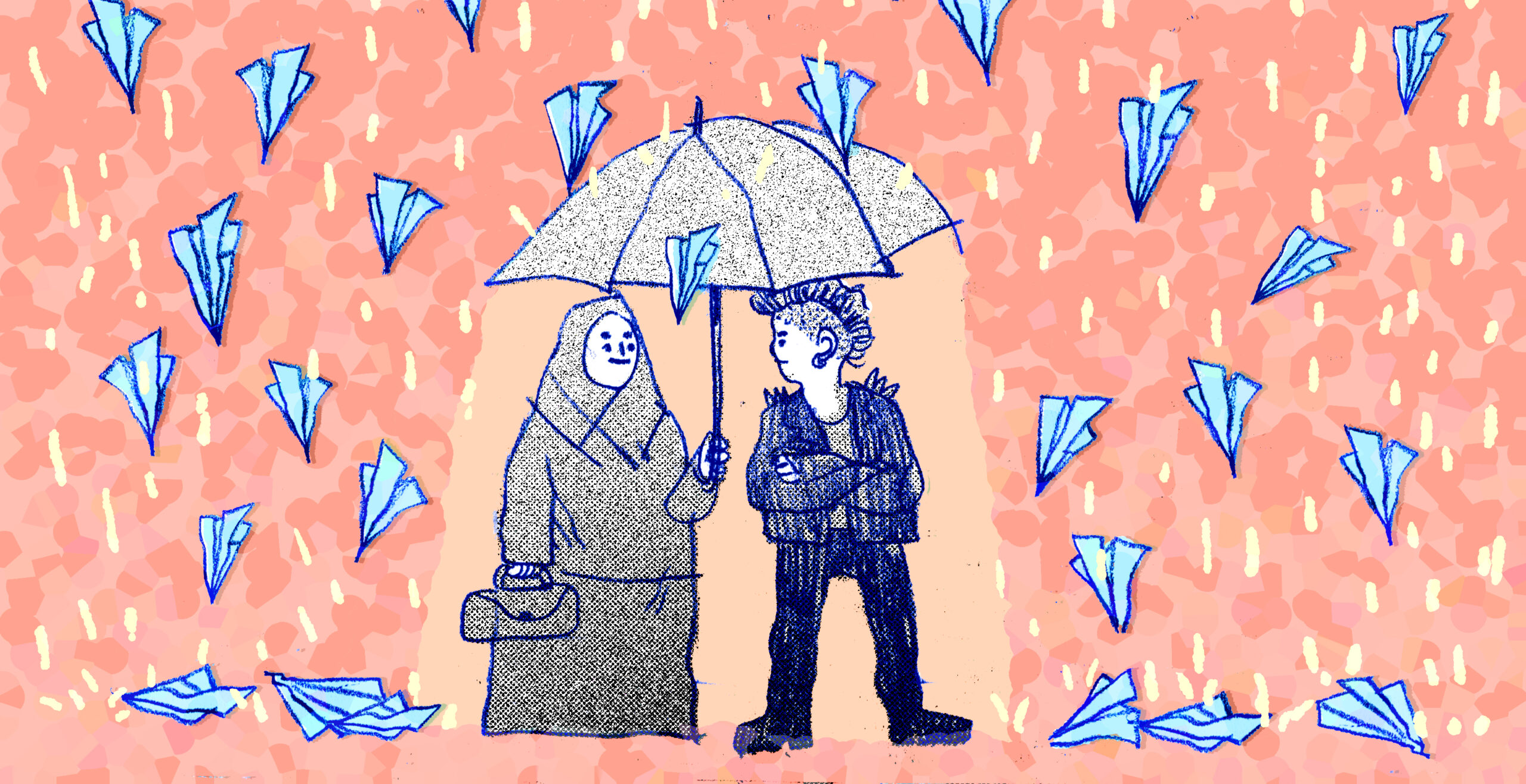
    Paper cranes
    Your words feel like rain
    Between tiny showers and heavy downpours
    Looming thunderstorms
    Invisible signs

    Drenched
    Same element recycled over and over again
    Be ready
    Bring your umbrellas out to play
    Shield yourself from all the criticisms and hate

    Same paper
    different planes
    I see the flipside of disdain
    God protects me like a cloak
    Rain as blessing, not shame
    Cleanse the Earth
    from pollutants we create

    Same rain
    Different planes
    I see God’s view
    I accept pain with grace

    As adults, we see things in black and white. We tend to be set with the way of thinking we have grown up with. When a Malay boy is asked to spot a difference between him and his Chinese best friend, he may not even mention the colour of his skin. He will talk beyond physical characteristics, to mention what he knows about his best friend, perhaps something like “Sam does not like sports as much as me”. If adults were asked the same question, it is not unlikely that we would explicitly or implicitly make comments related to faith and skin.

    Children are painted into the human beings we shape them to be. Just as the Prophet was to his people, the way we model our children is a reflection of our behaviour. When we tell our children not to mix with someone from a different race, our children will learn to create boundaries that they never planned on having. Mother used to tell me that I shouldn’t share my bottle with anyone, especially the Chinese, because I would be drinking with saliva that has babi (pig) on it. Mother would not let me lend my baju raya (malay traditional clothes) for racial harmony day because Mother didn’t want non-Muslim sweat in her dirty laundry.

    When the line is drawn between Muslims and non- Muslims, it stifles and strains the relationship. Muslims become exclusive to those who “believe,” and inevitably exclude those who do not.

    When I was young, I was taught that I was forbidden to be or mix around with gay people. Yet it did not stop me from feeling sad for my close friend who had confided and came out to me, when the news of her sexuality spread like wildfire. Even though she was a Muslim, her usual friends ostracized her and my Mother told me to stay away from her. I didn’t. If everyone excludes the one who’s different, who’s going to stay and listen to understand?

    I have always thought — how does it feel like to be on the other side of the fence? It took me a taxi ride with a Chinese uncle in his 60s to give me a new perspective. We were having a conversation on the weather when he jumped straight into a recount of an incident he had.

    “Malay cannot touch my hand? Yesterday a Malay auntie scolded me when I accidentally touched her hand to return her taxi change. Also, I am very scared to enter Malay house. Cause I eat non-halal food.”

    I paused for a moment to think and spent the next fifteen minutes explaining to the uncle on why the auntie may have gotten angry. Perhaps she had taken her ablutions (I explained what ablution means) and she would have to retake it if she touched his hand. Even though many people associate being a Malay as being a Muslim, how we handle ourselves still remains important. Sometimes what we do changes or affirms what people think of our religion.

    Dividing people as Muslims and non-Muslims can be problematic if it causes us to treat others differently. How can we show others what a beautiful religion Islam is if we alienate them? Change has to happen to build a harmonious society. The Prophet and his companions were able to build a harmonious society without treating those of a different faith as a separate part of the community.

    At the end of the day, everyone is on the same path, with the same beginning of birth and the same end of death. We all know when and where our life began. We are aware of how the present presents itself. But the future remains unknown till time catches us. It remains unknown to us, but known to the One who has the right to judge, unlike humans. Until then, we’ll seek to understand those who are struggling to understand the religion we try to preach. You’ll never know if the person you looked down on yesterday for sinning could be among the first thousand to enter the gates of Paradise we all want to enter.

    But alas, I don’t know anyone who isn’t struggling with their faith.

    _

    Wan Siti Zulaikha currently works as a freelance trainer with a vision to empower confident and resilient youths. She enjoys writing, and sees words as a powerful tool in sparking conversations on social and community issues people may be shy to speak about – all with the intention that readers would see and understand the human race from a vantage point of love and mercy.

    Illustration by Wan Xiang Lee