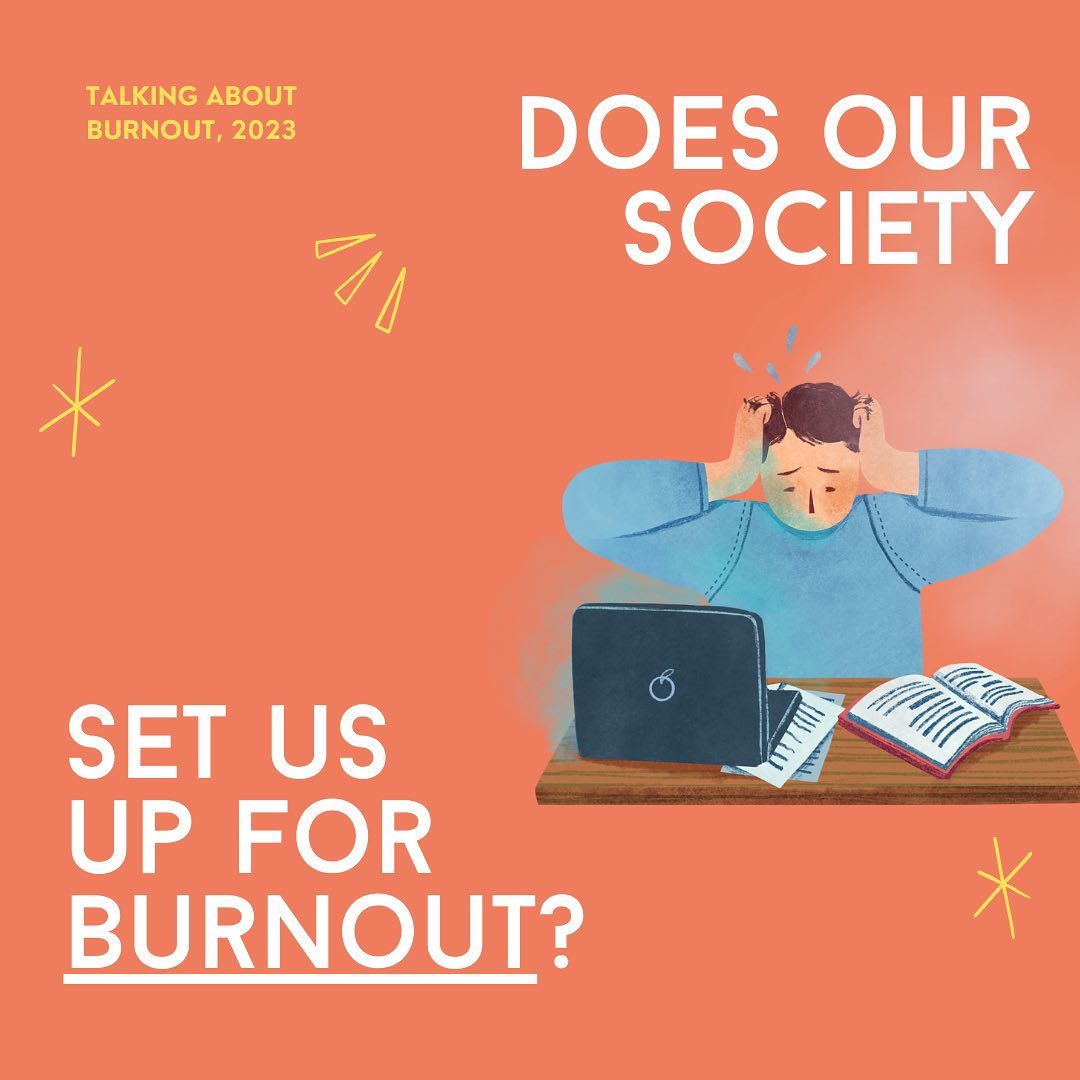
During our conversation, the experience of burnout was closely linked not only with toxic or even exploitative practices in the workplace, but also the lack of paths one could feasibly take to bettering the situation. In place of actual substantive changes when we voice out our burnout, participants instead face suggestions and advice that attempt to bypass the problem in superficial ways.
The issue then is not just about being burned out, but the additional feeling of being disempowered from changing your situation in a society that seems to work hard to keep people in circumstances where they do not feel free.
Does our society set us up for burnout?
I was talking to my friend in the Netherlands, and her previous workplace was toxic. She showed that she went to a psychiatrist and she got 3 months of 70% pay. I was shocked at how different things could be. I cannot even imagine what having labour rights would mean.
Do rich people experience burnout like those of use who can’t just leave our jobs? We worry about paying rent, taking care of parents…We have to work so much, do caregiving, chores, and then try to self-care – things rich people can outsource.
Perhaps they can focus on self-care, and yoga, but I don’t have time.
All these ongoing health campaigns in Singapore they really don’t care about the lower-income and the marginalised. They tend to paint everyone under the same brush, like: What’s stopping you from exercising? From eating healthy? And buying healthier groceries?
They say it’s cheap. But fresh food is really not cheap now.
Workplaces like to address mental health with peer support groups, checking in, tell you how to better support colleagues, better time management. But nothing about actual change that can help people.
If I have less to do, I will be happier. They never address the elephant in the room which is your work culture – whether your HR or manager is supportive, how much workload does one person have?
And they love to say that there’s “no choice”. It’s hard, there’s no conversation.
And if someone leaves, they don’t rehire. So the work gets re-distributed to others, and everyone just adds on to their workloads.