Category: Events

  • Quick recap: Talking about burnout

    Quick recap: Talking about burnout

    Some time ago, we had a call for submissions on the topic of burnout. But we realised that when you’re burned out, writing a piece probably feels like more work.

    So we had a small gathering with readers who shared that they wanted to talk about their experience with burnout. It was an intentional and intimate session with teh, snacks, and lots of laughter, despite the heavy topic. We wanted it to be relaxing and a space for release and community.

    Here’s a quick overview of what the session was like. We look forward to sharing more of the participants wise words soon!


    All participants cited work as on the the major causes of their burnout.

    Participants shared about toxic bosses, overwhelming workloads, racial microaggressions, and an overall culture of dismissiveness towards a worker’s mental health and well-being.

    With rising living costs, it is also not easy to simply leave one’s job.

    Most participants struggled with self-expectations that left them feeling guilty & “lazy” when they sought rest. (It also doesn’t help that we live in a culture that glorified “hustling”)

    6/7 participants were eldest daughters.

    One participants is the only daughter amongst male siblings and the sole caregiver of her mother.

    In sum, gendered caregiving expectations contributed to the burnout participants experienced.

    4/7 participants shared that the stress during the COVID-19 pandemic exacerbated their burnout, some to a breaking point.

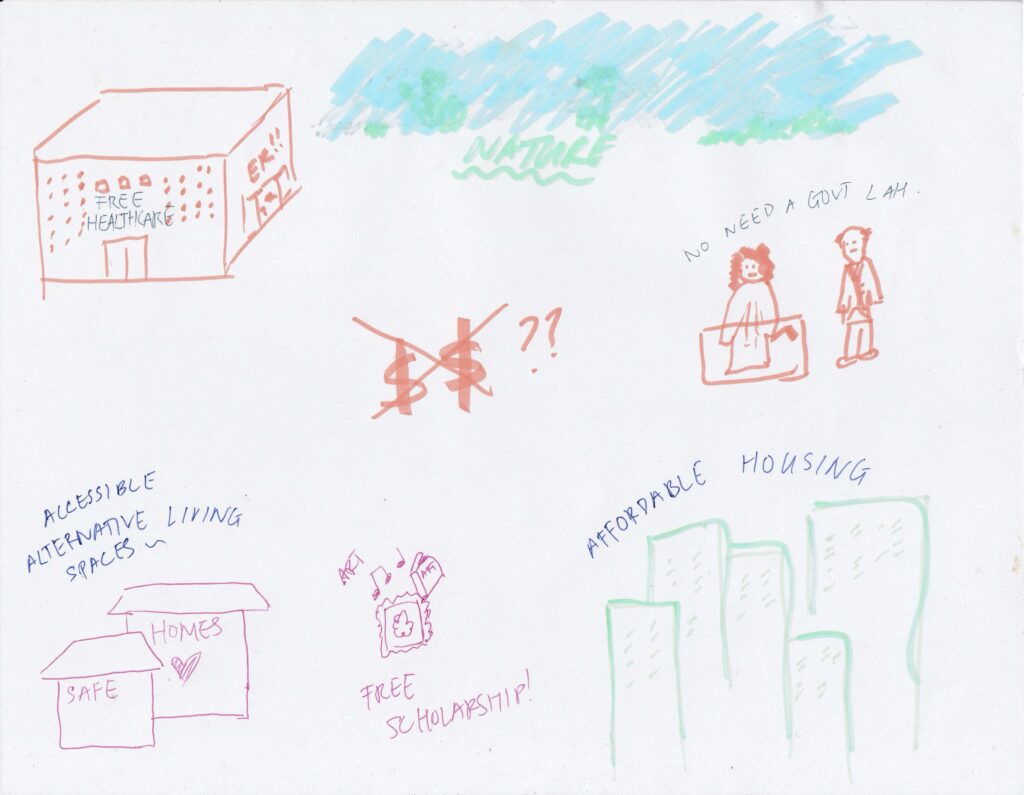
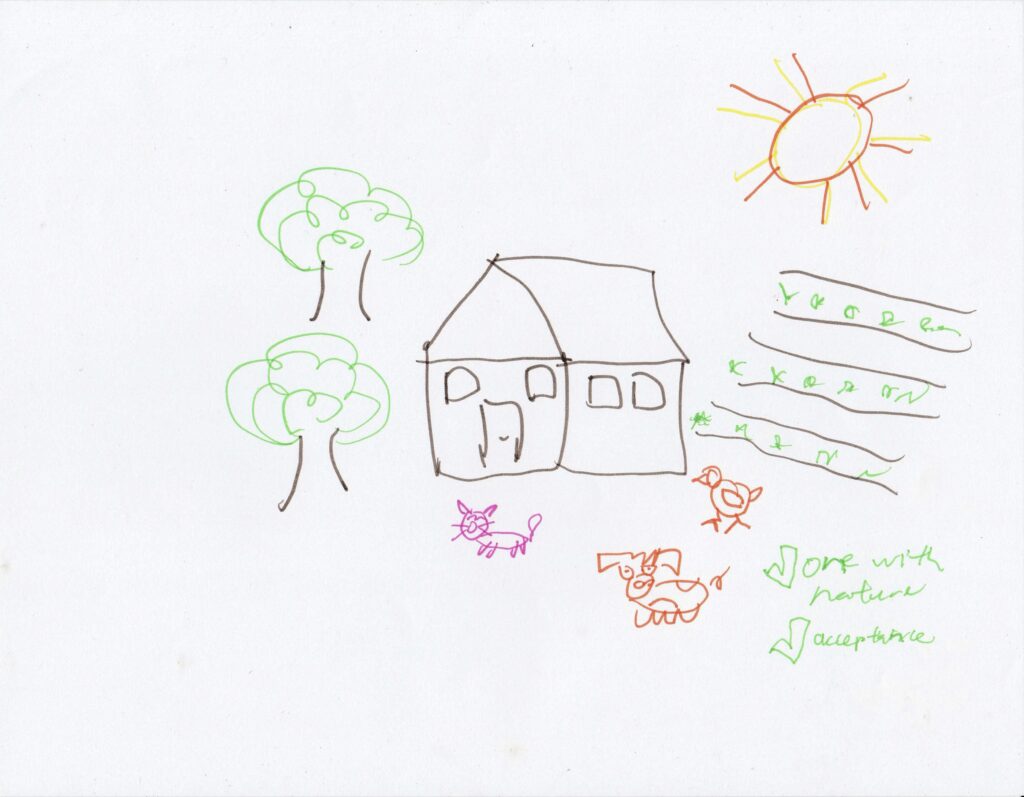
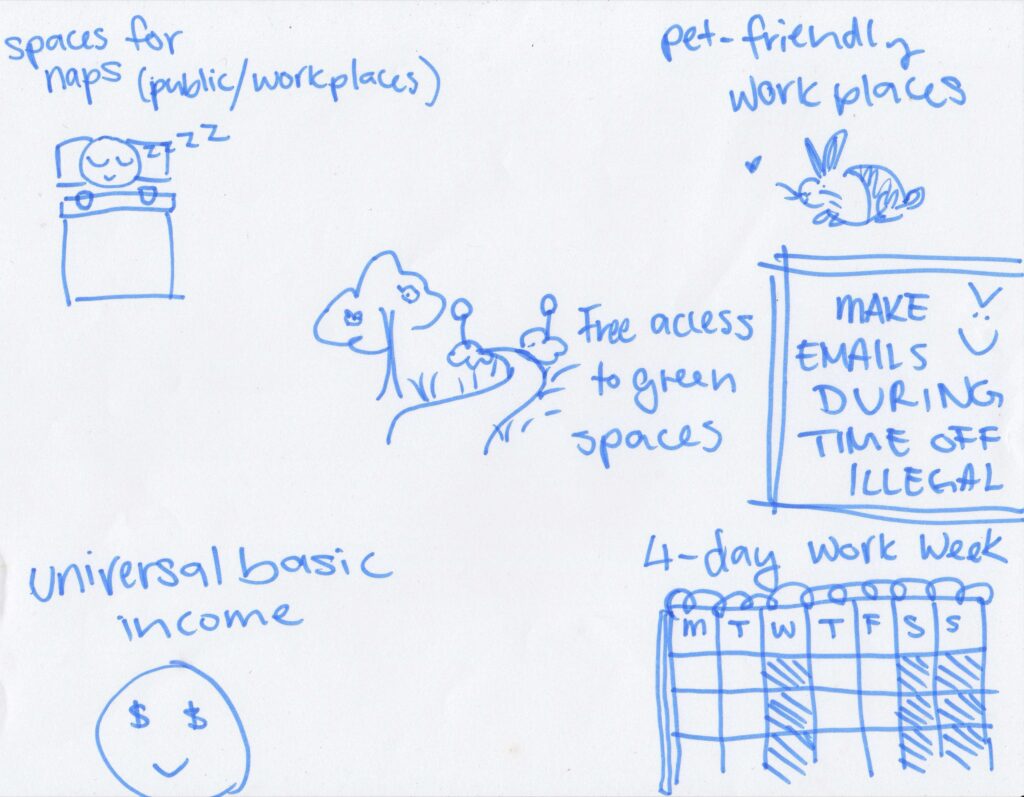
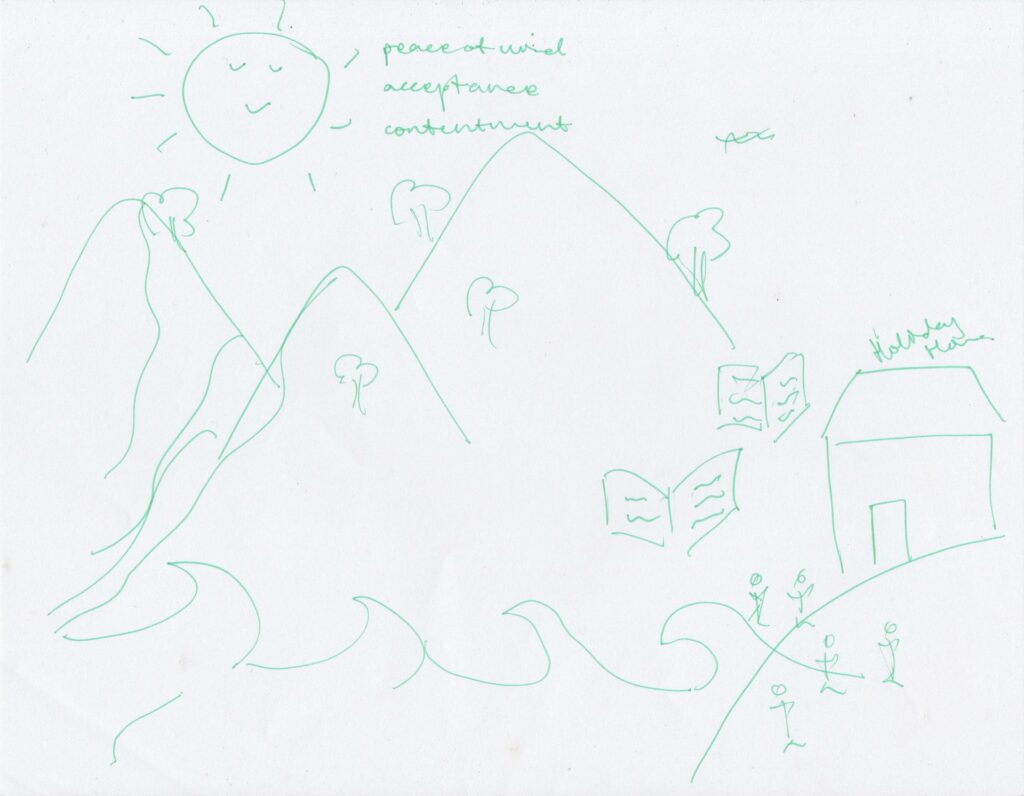
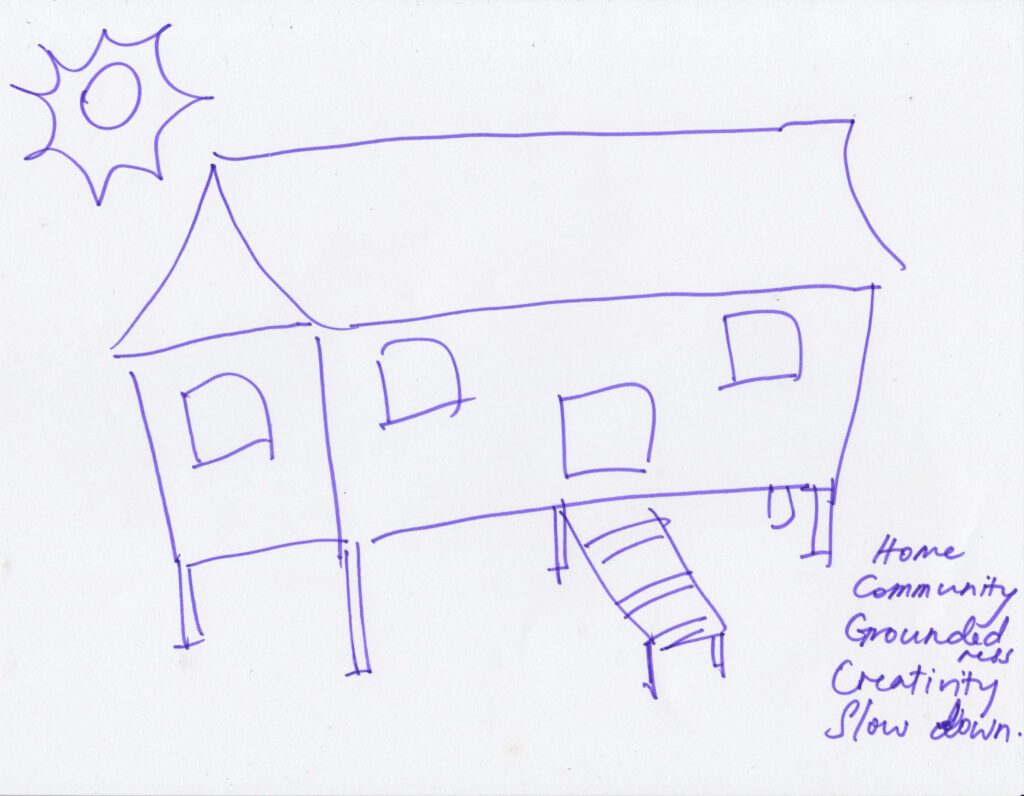
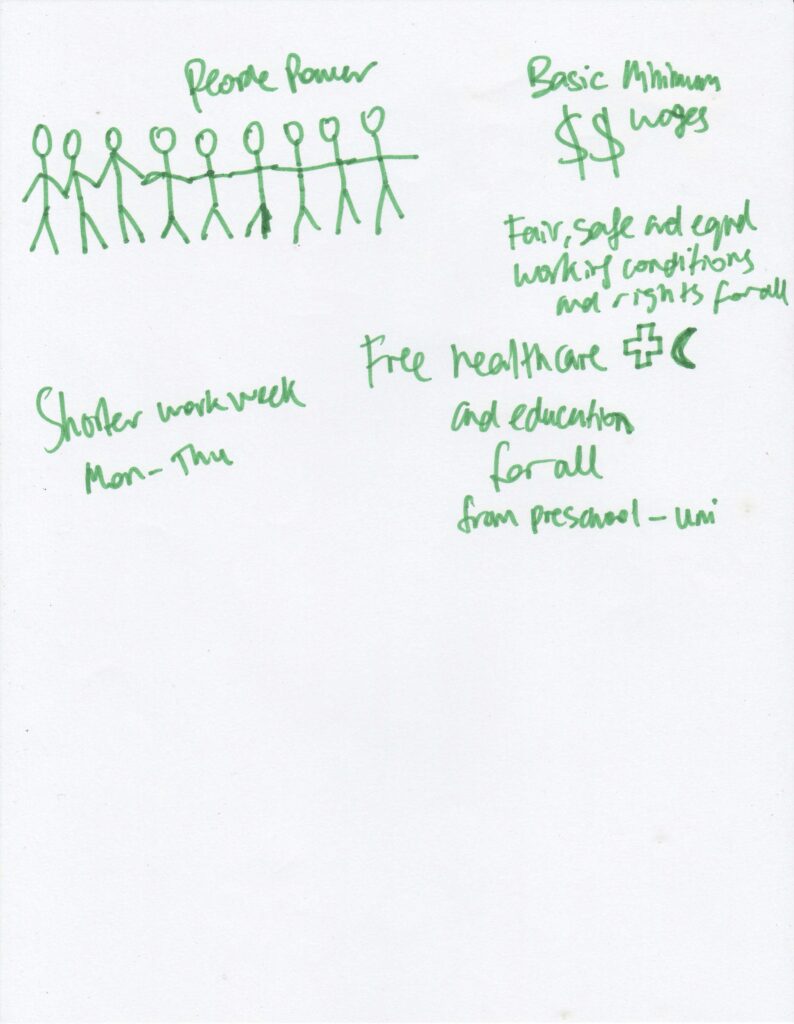
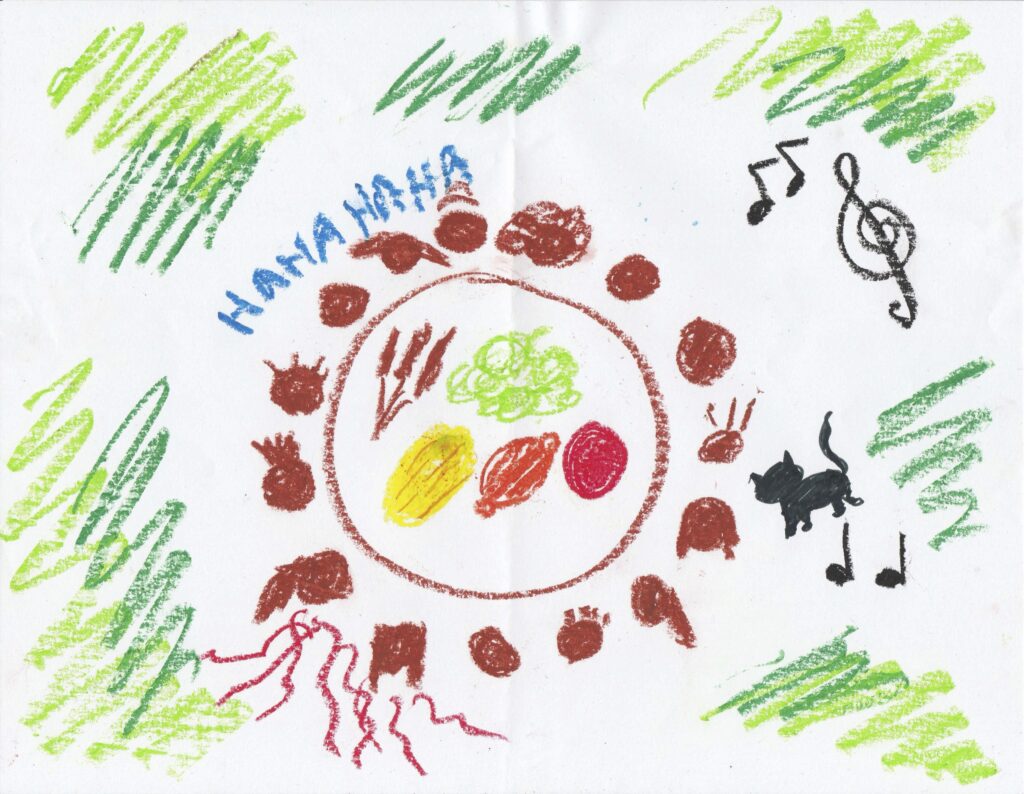
    When asked to envision their ideal society, 3 participants drew the kampung house. An image that represents a more communal, intentional, slower way of living that also encourages a closer relationship to nature.

    Read quotes from the session.

  • Talking about burnout

    Talking about burnout

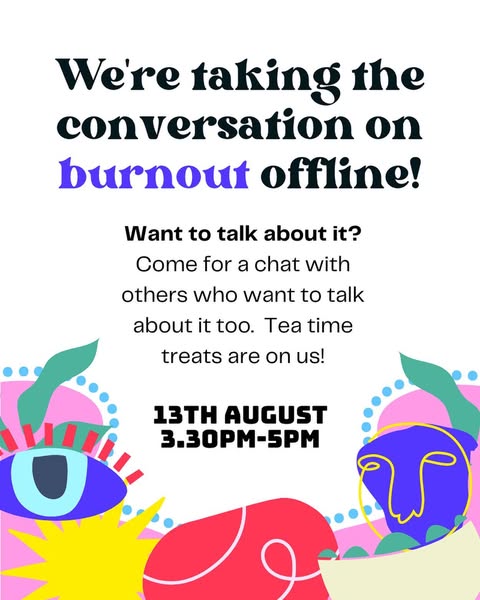
    We heard that burnout is an issue you really want to talk about, so we’re taking the conversation offline! ✨

    📍Join us next sunday at 3.30pm as we share space and talk about it together.

    💭 What have you been going through? Why are we so burned out? What support do you wish you had? What do we need for a society so the weight is not all on your shoulders? We’ll reflect on these questions in a stress-free and cozy setting. 🌷

    ❗️There are limited spots so sign up ASAP. Do note that we will prioritise the event for Muslim women ❤️

  • RECAP: Panel discussion with asatizah discussing female genital cutting

    RECAP: Panel discussion with asatizah discussing female genital cutting

    By Danesha Shah

    On 13 March 2021, I attended an online panel discussion with Ustazah Lina Salim and Ustaz Sheikh Md Farouq where they discussed the issue of Female Genital Cutting (FGC) within the Muslim community. They discussed from the perspective of Fiqh (Islamic Jurisprudence) and Islamic Bioethics respectively. It was organised by End FGC Singapore and supported by Beyond the Hijab. 

    The session began with a brief introduction by moderator Sya Taha on the four types of Female Genital Mutilation (FGM) as defined by the World Health Organisation (WHO). The practice, regardless of its different iterations, does not result in any health benefits for young girls and women. Approximately 75% of Muslim women have undergone FGC according to a survey done by End FGC Singapore in late 2020.

    Following that, Ustazah Lina explained the four instances in which circumcision is mentioned in hadiths and how it relates to the four official rulings of FGC under the four Mazhabs (schools of Islamic thought) of Islam. The four hadiths that were discussed during the session were Sahih al-Bukhari 6298, Riyad as-Salihin 1203, Sahih Muslim 526 and hadith no. 20994. According to some scholarly interpretations of these hadiths, under Mazhab Syafi’i, the practice is considered wajib or obligatory. However, as scholarly interpretations are not completely unanimous, some Mazhab Syafi’i scholars do regard it as sunnah instead.

    To conclude, she gave some advice on how to deal with differing opinions about FGC within the Muslim community. As more members of the community form their opinions about the practice, the advice she shared that I thought was the most pertinent was to stray away from “othering” those that have differing opinions as this results in further division within our community.

    Ustaz Farouq began his presentation on the Islamic Bioethical Deliberations on FGC. Islamic Bioethics is a concept which refers to the Islamic perspective on ethical or moral issues that result from advances in biology and medicine. As a result of recent medical advancements, FGC has been proven to have no health benefits hence the analysis from an Islamic Bioethical standpoint is key. 

    He went on to explain the positions of both proponents and oppositions of FGC. In his perspective, proponents of FGC center their opinions on that of scholars and jurists of the past. Meanwhile, while opponents of FGC mainly believe that it is a pre-Islamic custom without substantial religious grounding. They also believe in contemporary interpretations of the hadith that do not deem FGC as mandatory. All in all, they believe that modern scientific advancements calls for the rethinking of the practice in the Muslim community. He then proceeds to analyse the weaknesses in both arguments as proponents fail to address the concerns of dignity and gendered notions of morality for women that undergo FGC while oppositions avoid difficult narratives in the tradition of FGC in the Muslim community. He then stressed the importance of not treating the opinions of proponents and oppositions as mutually exclusive and that there is an opportunity to reform if these conversations begin at home. 

    To end off, when deliberating the practice of FGC, Ustaz Farouq urged that it should be firstly, a voluntary and informed decision by the individual who it will be performed on. Secondly, it should be guided by noble intentions and thirdly, for the holistic well-being of the child. 

    The webinar ended with a Q&A session during which one participant asked the two speakers on the issue of consent when FGC is done on girls under the age of 2. Ustaz Farouq noted that although parents do have responsibility over their children in Islam, they do not own them. Hence, parents should not have their children undergo FGC if they are unsure of the possible effects it may have on the child.

    In response to a question about following and trusting one’s ustaz/ah about FGC, Ustaz Farouq mentioned that although seeking guidance from religious authorities is critical, we should not blindly rely on them and instead, create spaces to talk about FGC. 

    As someone who has never heard a discussion of FGC from a religious perspective, the webinar was extremely enlightening as I continue learning more about FGC through this series of online conversations. As the Muslim community grows increasingly passionate about FGC, we should remain respectful and open to hearing opinions of others in our community so that we can work together to achieve reform.

    Follow End FGC SG on Instagram.

  • RECAP: Panel discussion with parents discussing female genital cutting

    By Danesha Shah

    On 29 January 2020, I attended an online panel discussion with three parents on the practice of Female Genital Cutting (FGC) within the Muslim community in Singapore which was organised by End FGC SG and supported by Beyond the Hijab. The three speakers were Sya, a mother of two, Nas, a father of one and Zubee, a mother of four, with Saza as the moderator. They shared their rationale for choosing not to have their daughters undergo FGC or “sunat perempuan” as it is referred to in the Malay/Muslim community. 

    FGC is a practice where young girls, typically under the age of 2, have their clitoral hood, clitoris or other genital tissue cut. Oftentimes, a small piece of skin is removed. Sometimes, the cut is symbolic. This practice is not a medical procedure that is taught in medical school. Instead, doctors learn it from their more senior counterparts. It is offered as a service in Muslim-owned private medical clinics and in the past, was more commonly done by midwives. 

    As a young Muslim woman who is largely ignorant of this custom, it was interesting to hear their journey towards educating themselves on the matter and eventually arriving to their decisions. One of the speakers, Sya, shared that it became a topic of discussion between her and her partner who was a non-Muslim at the time. This journey eventually led her to decide against circumcising not only her daughter, but her son too. One of her reasons was the lack of medical validity as circumcision is unnecessary to keep one’s genitals clean. She also cited the fact that sunat perempuan is only required in some understandings of the Syafii mazhab (school of thought). Above all, she emphasised the importance of bodily autonomy of her children. This sentiment was shared by the two other speakers who similarly echoed the importance of not controlling their children’s bodies by having them undergo circumcision as a child or an infant when they have yet to understand the ramifications of doing so. 

    The next speaker, Nas, shared how he first began learning about FGC through learning about the custom in African tribes and communities. Similar to Sya, he had a discussion with his partner, who in spite of being circumcised herself as a child, decided against circumcising their daughter. In addition to the importance of protecting his daughter’s bodily autonomy, another key consideration for him was that circumcision as a practice went against the natural anatomy of a human body and thus, should not be done unless it is medically necessary. 

    Meanwhile, the final speaker, Zubee, did circumcise her two sons but did not choose to do so for her two daughters. Her change of heart towards circumcision was sparked by her exchange trip to Jordan where she met Muslim women who themselves were not circumcised. This was when she realised that circumcision in the Muslim community in Singapore was more of a sociocultural practice rather than being purely religously motivated.

    During the Q&A segment, an attendee asked how they could come to terms with the hadiths that support female circumcision. Sya, Nas and Zubee shared how they viewed the practice as sunnah, not obligatory. These hadiths were also of weak credibility. Sya shared that hadiths can be seen as descriptions of the practice at specific times and places and that they do not have to be seen as a mandate of the practice. Another attendee asked how effective closed door dialogues will be in stopping or curbing FGC. Participants mentioned that the demand for FGC is primarily driven by parents. As such, dialogues will encourage discussion and continued interest in the topic, thereby supporting a change in public opinion. 

    All in all, I definitely felt that the sharing by both the participants and attendees were highly informative and helped me in my personal journey towards learning about FGC. Regardless of where you stand on this issue, it’s time for the Muslim community to confront our own preconceived notions and ignorance towards FGC. 


    Follow End FGC SG on Instagram.

  • Beyond Locker Room Talk

    Beyond Locker Room Talk

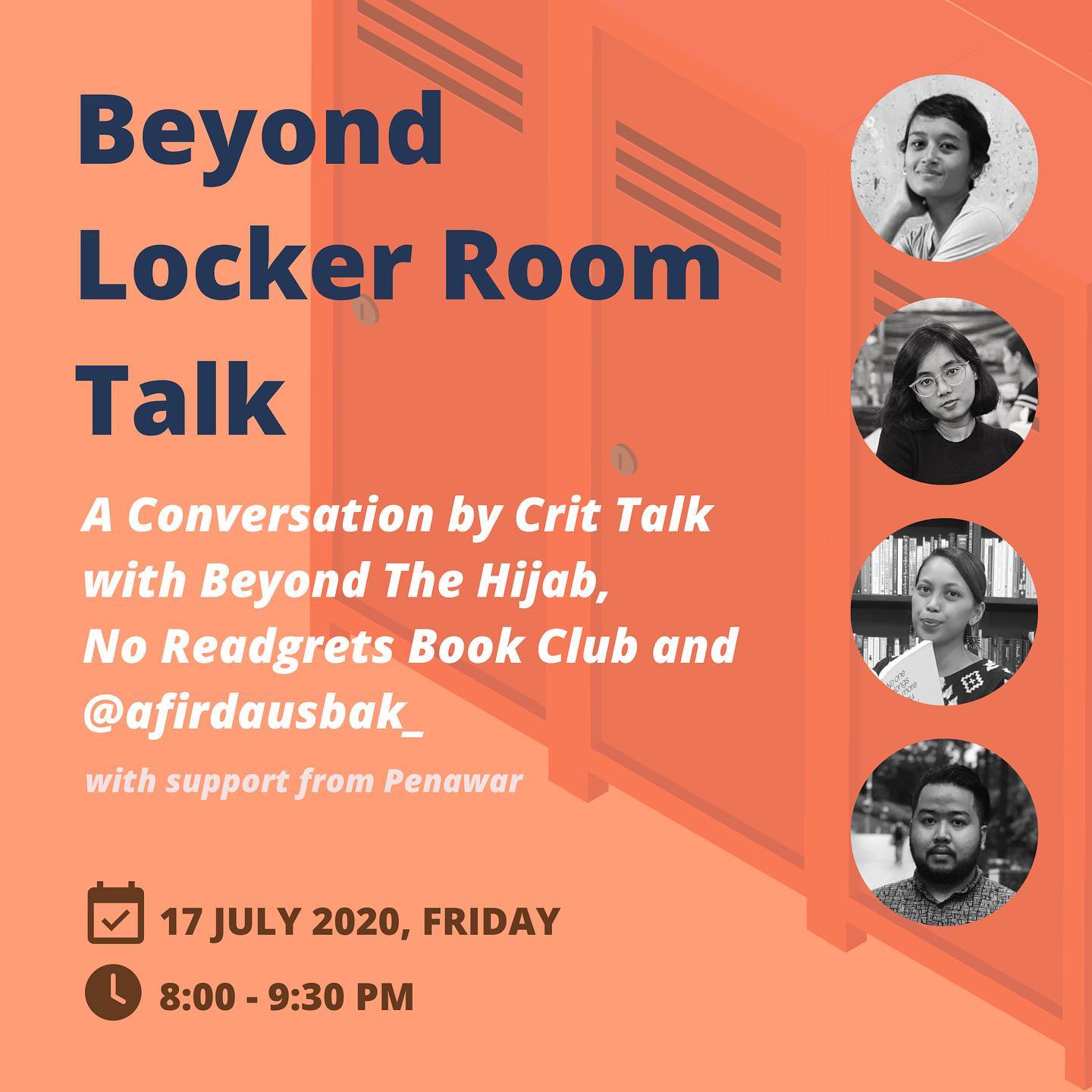
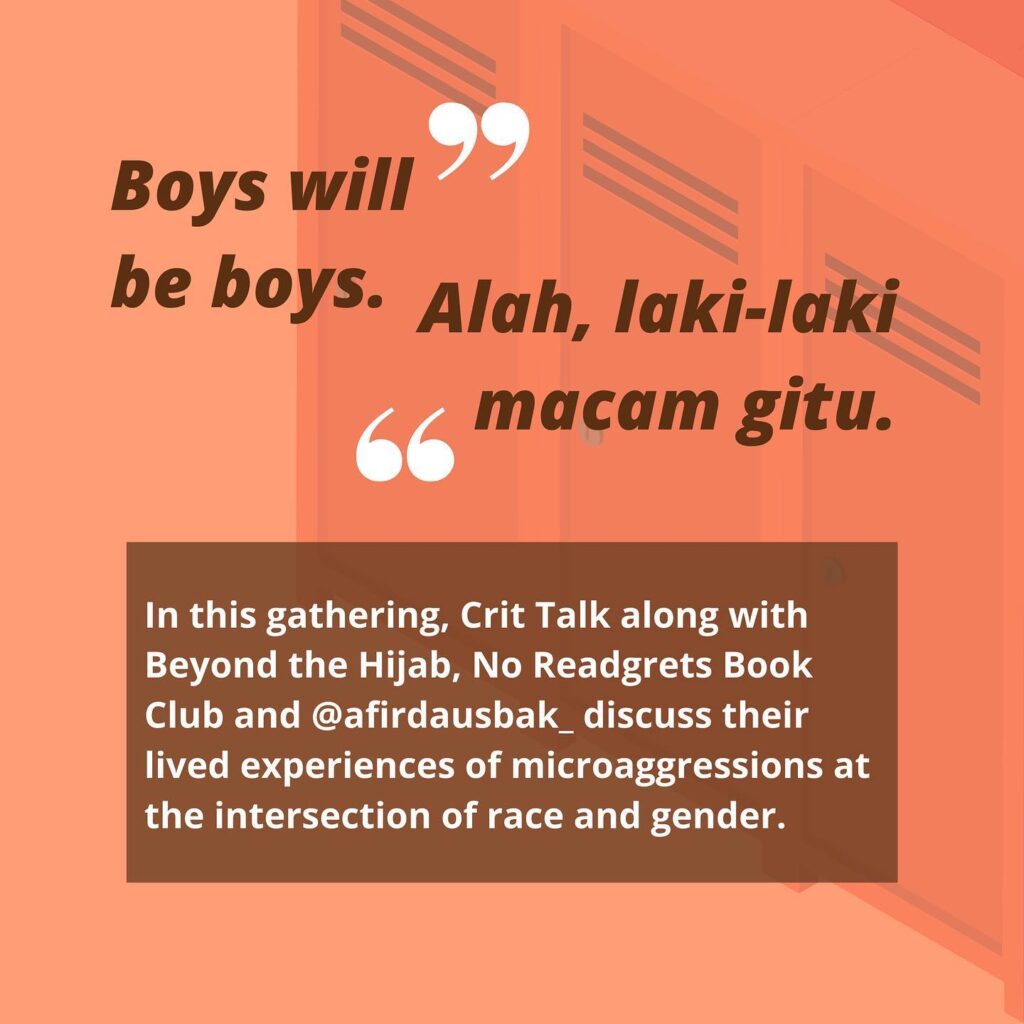
    Crude and vulgar talk, often surrounding sexual conquests, makes its appearance in male-dominated spaces and is normalised in society at large. This is a form of microaggression.

    Although sexist microaggressions are a universal phenomenon, we give examples from our own communities. Women who bring up sexism in their own minority communities are often seen as “airing dirty laundry” or trying to bring down minority men who are already marginalised in different ways.

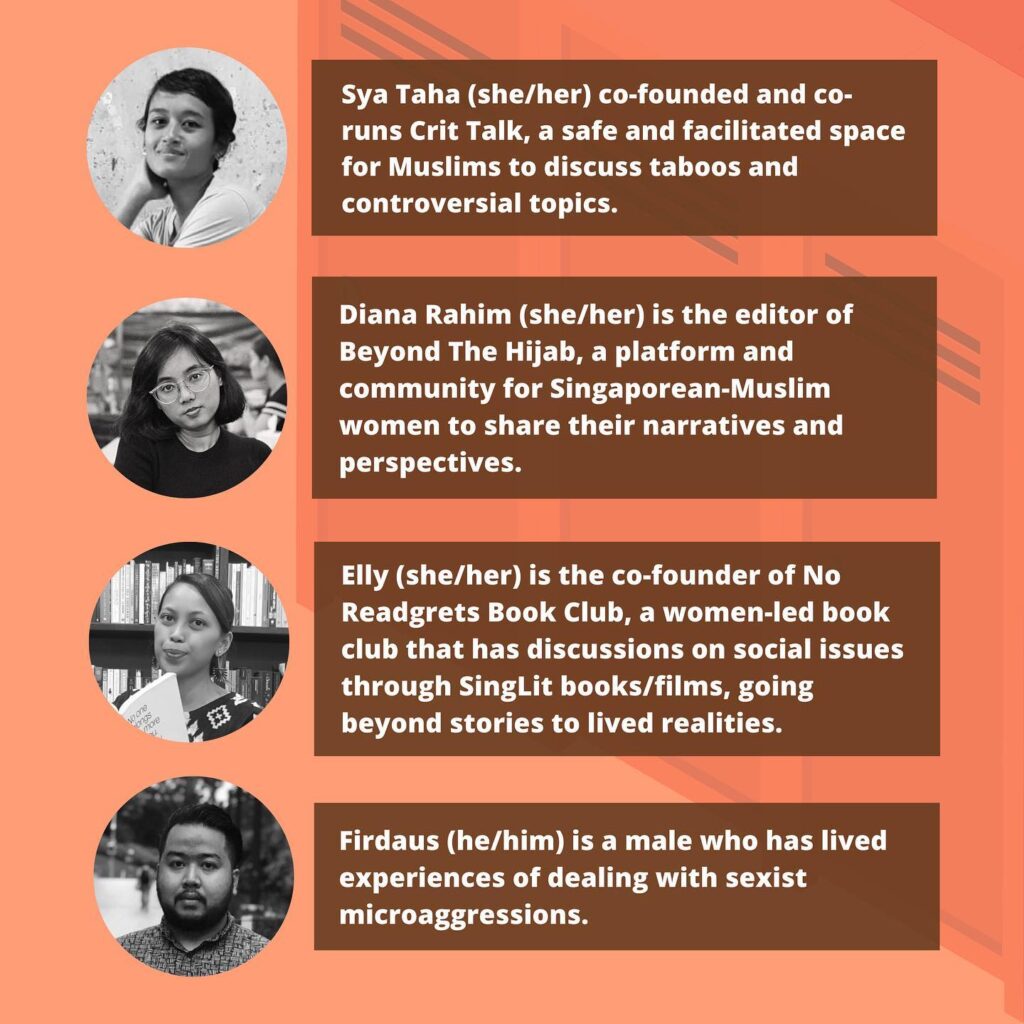
    In this conversation, Crit Talk, along with Beyond the Hijab, and two guests Elly (@noreadgretsbookclub) and Fi (@afirdausbak_), discuss their lived experiences of microaggressions at the intersection of race and gender. We will end with some strategies and tactics to respond to sexist microaggressions, as well as how to be an effective ally. Tickets are free but you can also pay a solidarity donation to the Sexual Assault Care Center! Hope to see you this Friday! ✨❤️✊🏽

  • RECAP: Celebrating Hari Raya during Quarantine!

    By Mahi Nair

    On Saturday, 31 May 2020, Beyond The Hijab (BTH) held a virtual Hari Raya celebration online to bring together members of the community together for celebrations. Everyone came dressed up in their traditional wear to celebrate the occasion despite being on quarantine during this time.

    Attendees were invited to play exciting games to win prizes, mingle with old and new friends, and finally, invited to participate in important discussions about the community.

    The event kicked off with a quick round of introductions with everyone and then jumped right into the first game; a Hari Raya themed online quiz to get everyone in a festive mood. Questions drew upon current affairs, pop culture, and Raya traditions, putting our participants’ knowledge and fast fingers to the test. The quiz saw participants getting into the competitive spirit, while engaging in light-hearted banter and trying to complete the lyrics of the Raya songs playing in the background. After multiple riveting rounds, three winners emerged to win book prizes. 

    After the quiz, participants had an opportunity to show off their festive clothing for a group photo. As we could not physically be together in respect of social distancing, attendees had to get creative with their posing through their video feeds to showcase their clothing! And those who didn’t want their pictures taken, switched off their videos and cheered the others on. 

    After that it was time to get serious with some discussions about community. Many participants expressed that sharing their experiences with other members of their community has been and would be beneficial and inspirational for themselves and for others. Additionally, a mutually accessible platform for both writers and non-writers to share their experiences would help to foster a stronger community. One attendee also shared that more outreach for those whose voices aren’t heard in mainstream discourses would be a great way to engage women in the community who has been overlooked.

    Then back to more fun and games! For the final game, attendees were challenged to test their circuit breaker knowledge. This game saw attendees enjoying the topical nature of the questions, competing with high-spirits and intensity, rushing to beat each other out to win a box of cookies, perfect for those with a sweet tooth.

    Overall, BTH’s first virtual Hari Raya celebration was a success, providing a safe and welcoming space for women to celebrate together, engage in meaningful discussions about their experiences, and of course, to have fun together.

  • RECAP: FTM Workshop 2: The Sequel?

    RECAP: FTM Workshop 2: The Sequel?

    By Kamelia Daud

    –

    On the 14th of December 2019, we had the pleasure of attending Bissu’s second FTM (female-to-male) workshop entitled “FTM Workshop 2: The Sequel?” Bissu is a non-profit community building group existing to act as a guide to channel relevant recipients to support groups, that has been established within the LGBT friendly community. Due to the overwhelming response received from their first FTM workshop, Bissu decided to organise a second run. The workshop was conducted for individuals who are going through, starting or require support for their transition journey. Allies were also welcomed to attend.

    The workshop kicked off with an introduction of Bissu and the origins of its name. Bissu; a shaman transgender priest, is derived from one of the 5 genders in the Bugis community and this name was chosen to invoke a need to remember the rich history that had been largely forgotten by the Malay community. ‘Bisu’ in Malay actually means ‘mute’ and although the LGBT community is visible, to an extent, in Singapore, the weight of homophobia still hang upon our society and many Malay LGBT individuals have to suffer in silence.

    Speakers explained the concept of SOGIE (Sexual Orientation and Gender Identity and Expression) and introduced local resources for transitioning individuals. Organisers also used an anonymous Q&A online app to create a safe and lively environment to ask all types of questions with regards to transitioning such as name changes, costs of transitioning and differences between going through public or private health route, local or overseas.

    Some important and common questions that were asked was about the cost of transitioning. Top surgery could range between $15,000 to $20,000 when undergone locally, and some may require or ask for multiple corrections. The financial cost of transitioning was a major concern that was brought up by participants. This cost is rarely ever publicly discussed nor is it covered under insurance in Singapore. The lack of support from society, family, workplace, and the financial precarity that transitioning puts the community in, it is no wonder why so many in the workshop were most concerned about the cost of transitioning. Some other questions also included whether parental consent is needed for those under 21 and how to come out to parents. (Check out Transgender SG for more infomation)

    During the Q&A, other participants also generously shared their knowledge and experiences. Some provided personal accounts about going through the process of transitioning, advice, or shared LGBT-friendly contacts, a testament to the safe and helpful space the workshop provided.

    There was also a Kinesiology demo (tape binding methods) on how to how to bind with tape safely and effectively. There was even a free binders giveaway! After lunch, participants took part in a set of engaging games that required the room to get up and work off the post lunch sleepiness. It was a fun way to socialize and get to know one another.

    Stickers with various text such as "Trans rights are human rights"At the end of the workshop, an anonymous poll was conducted with participants that showed how many shared similar worries ie. social transitioning, workplace discrimination, NS, binding, packers, and most importantly, the financial stress to sustain everything. Some participants were keen to extend the 4-hour workshop even longer, and wanted more time to mingle with each other.

    Overall, the workshop was able to create a supportive space for participants. We appreciated how everyone felt comfortable as they are and did not have to contend with the tiredness of explaining. A million thanks to Bissu for organising this event and allowing everyone to share, care, and have some much needed community care.

    Follow Bissu on social media: Facebook – Instagram


    Supporting partners:
    Involve Volunteer Network: Borne from the amazing volunteer body that has supported Pink Dot SG since the beginning, Involve Volunteer Network (IVN) is an independent non-profit organization whose aim is to engage both the LGBTQ community and Straight Allies to create a more compassionate society through volunteerism.

    The T Project is committed to supporting Singapore’s trans community in living their fairytale lives. Its aim is to support and provide a positive impact on the transgender community , enabling them to lead a more dignified and fulfilling lives.

    TransgenderSG strives to help trans people in Singapore have safer, smoother transitions, through creating resources and doing advocacy work aimed at combating discrimination and improving trans people’s lives.

    Pioneer Filipino Transgender Men Movement (PFTM): PFTM is a nationwide-based organization for Filipino Transgender men. Started as a support group in 2011 with advocacies focusing on SOGIESC and Human Rights education, Transgender Health, HIV education among trans men and promoting positive visibility of trans men in the Philippines.

    Sponsors:
    Asia Pacific Transgender Network (APTN): We work to improve the lives of trans and gender diverse people by engaging regional partners to advocate for fundamental human rights. As a trans-led organisation, we are deeply committed to building empowered and self-reliant trans movements, and implement programmes at both country and regional levels for members of the community as well as policymakers, healthcare providers, and beyond.

    QICS: An organisation which provides financial literacy education and finance related advice for the GLBTQ community, with a primary focus on the transgendered community.

    The Heartweavers: The Heartweavers is a grassroots initiative that aims to create a safe space to inspire and guide LGBTQ+ people in Singapore to live full and free lives in spite of our circumstances. Our vision is a strong LGBTQ+ community of individuals that have the life skills in various aspects of their lives – physical, emotional, societal, intellectual, and spiritual – to form.

    Verizon Media: Verizon Media’s employee resource group for LGBTQ+ people & allies. We strive to create a workplace that celebrates diversity & promotes inclusion and equality. Prism focuses on creating positive impact on the Verizon Media culture and its products, and also giving back to our external communities. We are building a safe environment where each individual feels safe being their authentic selves, and are committed to being the best place to work for the LGBTQ+ community.
  • Apa Itu Activist

    Apa Itu Activist

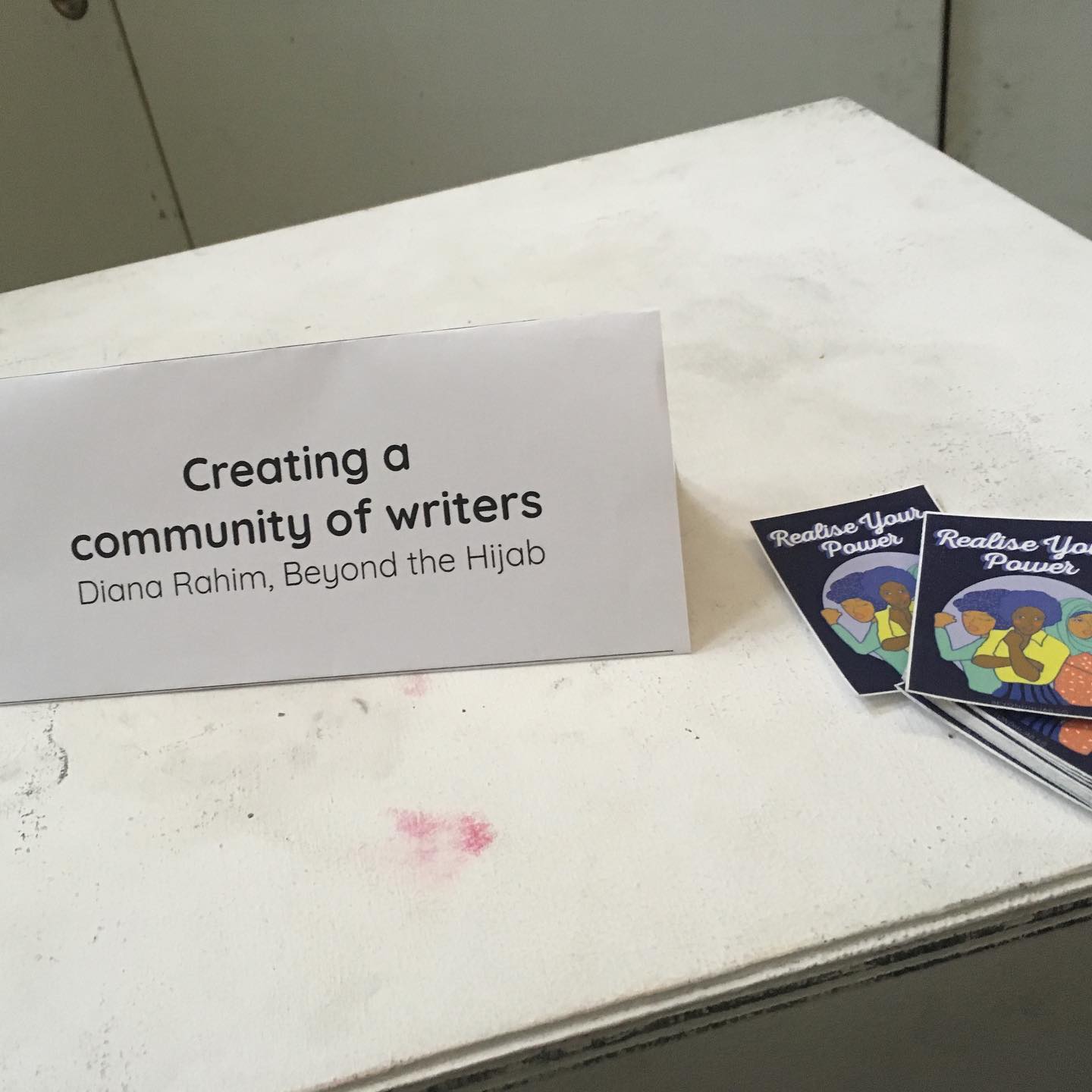
    We were at Apa Itu Activist conference today to talk about our work, community-building and the importance of creating space for diverse stories. Thank you to everyone for dropping by our station and chatting with us and to the committee for inviting us!!! It’s been an incredible experience learning and meeting other civil society members ✊🏽✊🏾✊🏿

  • RECAP: Celebrating Hari Raya during Pride Month

    RECAP: Celebrating Hari Raya during Pride Month

    By Nurul Deanna

    _

    Ending off Pride Month with a bang, Raya Qonversations 2.0 was held as part of Pink Fest on 28th June to celebrate Hari Raya Aidilfitri with the LGBTQ+ Muslim community in Singapore. Co-organisers, Beyond the Hijab, Jejaka, TheHealingCircle.SG and Penawar, organised this event to allow the LGBTQ+ community and its allies to come together and celebrate this joyous occasion in a safe space. As Pink Dot 2019 was happening the next day, almost everyone turned up in pink baju kurungs!

    Attendees were greeted with door gifts prepared by Beyond the Hijab as well as Penawar’s first publication zine, where each sale goes into building efforts for the community. As attendees were reunited with old friends and mingled with new ones, songs from a specially curated Hari Raya playlist played in the background. This certainly set the mood for the rest of the night.

    The hosts for the evening gathered everyone to start off the first activity of the night, Human Bingo. This Hari Raya-themed activity was the perfect opportunity to get everyone involved together as they search for the right people to sign their boxes. The buzz and excitement created a sense of community and bonding, a striking representation of the LGBTQ+ Muslim community in Singapore. The first five to get all boxes checked even managed to win themselves a prize prepared by the organisers!

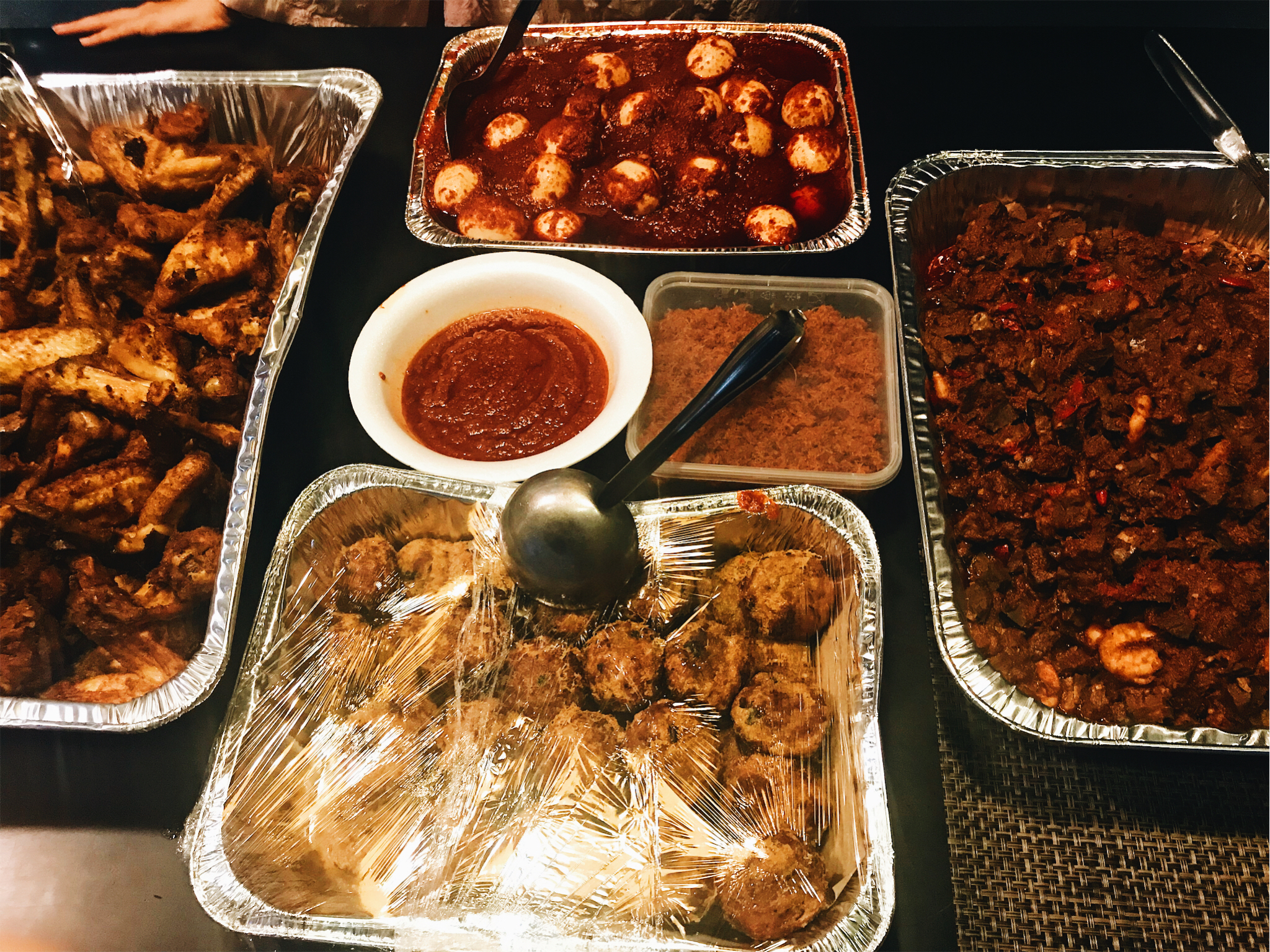
    With everyone’s mood and spirit lifted high, it was finally time for dinner. Attendees got to enjoy traditional Hari Raya dishes such as lontong, sambal telur, sambal goreng pengantin and you can never go wrong with some ayam goreng. While enjoying the dishes, the hosts sparked a discussion about the practice of asking forgiveness during Hari Raya. Being queer and Muslim, many struggle to reconcile the two identities as it is usually portrayed as a paradox to each other by society and mainstream media. The hosts posed the question of whether there is a need to ask for forgiveness when their identity is seen as a sin to many in the Muslim community. Others began to express their thoughts on the topic. One brought up that some people do it only because it is part of a tradition, which raised the idea of being authentic when asking forgiveness. A participant even mentioned how they do not want to ask for forgiveness for identifying as queer and Muslim and many others had chimed in agreement. With the tone of the discussion set, everyone began to split into groups to continue the discussion as they enjoyed the food.

    The event concluded with the last activity of the night where three participants were given different kuih-kuih Raya to taste and guess. It was a night of joy and laughter where the community gets to feel the emancipation of living in their own identity. Most importantly, it represented a space of what could be in a society that is inclusive and welcoming of diversity.

    Thank you to Free Community Church for generously allowing us to use your space!


    Beyond the Hijab is an online platform for Muslim women in Singapore to share stories about their experiences reconciling the demands of their religion and the pressures of the modern world.

    Jejaka is a social support group for gay, bisexual and queer (GBQ) Malay, Muslim and Malay/Muslim men from 18 to 35 years old in Singapore.

    TheHealingCircle.sg is a safe space for LBTQI muslims to embrace their spirituality and beliefs in Oneness with God. This space also welcome other faith with the intention of unity in Peace for the world and the entire cosmos.

    Penawar strives to be the place of healing and respite for those who are in need of it through their peer-led support group for women and non-men (people who don’t identify as men) who were raised in Muslim households.

  • RECAP: Writing Workshop for Single Mothers and Divorcees

    RECAP: Writing Workshop for Single Mothers and Divorcees

    By Sarah Namazie

    _

    On the 2nd of March 2019, Beyond the Hijab held a writing workshop for an upcoming blog series specifically written by divorcees, many of whom were also single mothers.

    The session started with enthusiasm and laughter from the workshop participants as they went around introducing themselves and what they would like to take away from writing and sharing their story. Answers ranged from learning how to write and the benefits of it, such as seeking to understand their experiences better, for this to be therapeutic, to share and relate to others and to articulate ideas properly etc.

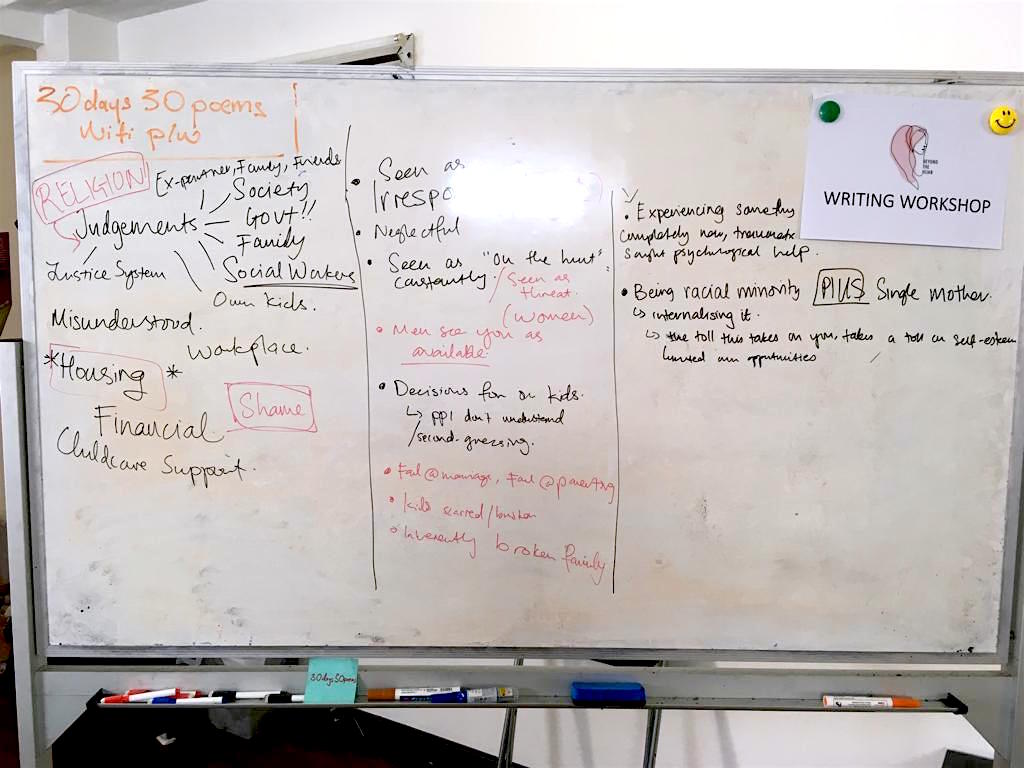
    Diana Rahim, the editor of Beyond the Hijab, then asked participants to share their experiences as single mothers. They talked about the problems and issues they faced such as judgment from family, social workers, ex-partners and their families, the justice system and even their religion — all of which they had a lot to say about.

    Once it was established that there was an abundant possibility of topics, they were asked to find their personal formative experience or a prominent issue they had faced to serve as a starting point for their writing. It was easier for some than others, with there being some being more experienced in writing than others. Regardless, there were plenty of engaging ideas circulating in the room and each participant brought a new experience to the table.

    The importance of getting their story out was emphasized heavily. With their experiences of facing a double prejudice – being a racial minority and a single-Muslim mother, they are often defined by their circumstances. One of the participants mentioned that “as a Muslim woman, you don’t ask for a divorce,” reflecting the internal struggle and rigid expectations of a married Muslim woman. Another participant mentioned that she sometimes wondered if she was “enough for her child” as a single parent. One of them questioned why a single-parent family is stigmatised as an inherently broken family. Amidst the difficulty of sharing their raw and honest personal experiences, however, there also came rich support and encouragement from the group.

    Evidently, there are unique conditions and issues faced by single mothers. Hopefully, this blog series will be successful in bringing awareness to the realities of these women. The session concluded on a good note, with all attendees agreeing to hold a second session where they could delve into writing properly.

    Look out for the stories written by these writers set to come out soon!